Posts

Construction Site Sanitation Service Provider

Storm Cleanup & Emergency Projects: Why Portable Restrooms Are Essential

Storm Cleanup & Emergency Projects: Why Portable Restrooms Are Essential

When a major storm tears through a community, the recovery effort that follows is massive. Downed power lines, flooded roads, structural damage—the visible destruction demands immediate attention. What often gets overlooked in all that urgency? Sanitation.

Emergency crews, utility workers, and volunteers can spend 10 to 14 hours a day on-site during disaster recovery efforts. Without access to proper restroom facilities, that’s not just uncomfortable—it’s a serious operational and public health problem. Sanitation affects worker efficiency, team morale, and the overall speed of the recovery effort.

That’s where portable restrooms come in. Far from being an afterthought, they’re a critical piece of the emergency response infrastructure. SBC Waste Solutions has built its reputation on providing fast, reliable, and professional portable restroom services for exactly these high-pressure situations—because when disaster strikes, you can’t afford to wait.

The Role of Portable Restrooms in Disaster Recovery

Large-scale storm cleanup isn’t a 9-to-5 operation. Recovery teams work long shifts, often in remote or severely damaged areas where existing infrastructure—including plumbing—may be completely offline. In these conditions, access to sanitation facilities directly impacts how effectively crews can do their jobs.

Think about what happens when workers don’t have access to a restroom nearby. They lose time traveling off-site. They become fatigued and distracted. In the worst cases, the lack of facilities becomes a liability, forcing teams to scale back operations or rotate workers off-site more frequently than necessary.

Portable restrooms solve this problem. By placing sanitation facilities directly within the work zone, project managers keep crews focused, reduce downtime, and demonstrate a basic level of care for the people doing the hardest work. It’s a small investment with a significant return.

Portable Restroom Service

Portable Restroom Service

Rapid Deployment: Meeting the Urgency of Disaster Response

Speed is everything in disaster recovery. The longer a community waits for power, clean water, and passable roads, the greater the economic and human toll. Every hour counts—and that sense of urgency has to extend to the logistics that support the cleanup operation, including sanitation.

Standard restroom rental timelines don’t always work in emergency scenarios. Waiting days for delivery and setup isn’t an option when crews are already on the ground. SBC Waste Solutions understands this reality. Their emergency deployment model is built around rapid response—getting units to the site quickly, setting them up efficiently, and keeping them serviced throughout the duration of the project.

This kind of logistical agility requires more than just availability. It requires experience with high-pressure situations, established delivery networks, and the operational flexibility to adapt as the recovery effort evolves. SBC Waste Solutions brings all three to every emergency project they support.

Health and Safety: Reducing Risks in High-Stress Environments

Storm damage creates health hazards well beyond the obvious physical dangers. Floodwaters often carry contaminants—sewage, chemicals, and bacteria—that make proper hygiene more important than ever. When workers lack access to sanitation facilities, the risk of illness rises sharply.

Poor sanitation during disaster recovery can contribute to the spread of gastrointestinal infections, skin conditions, and other communicable diseases. For crews already working under physical and mental stress, falling ill isn’t just an individual setback—it pulls workers off the job and slows the entire recovery effort.

Portable restrooms with proper handwashing stations significantly reduce these risks. They give workers a clean, hygienic space to meet basic needs, limiting contact with contaminated surfaces and reducing disease transmission. When health and safety protocols are built into the worksite from day one, recovery teams stay healthier, work longer, and perform better.

Porta Potty Rentals

Porta Potty Rentals

Specialized Equipment for High-Demand Scenarios

Not all portable restrooms are created equal. A standard unit suited for a weekend festival isn’t necessarily the right choice for a multi-week disaster recovery operation involving hundreds of workers in harsh conditions.

Emergency projects demand equipment that can handle heavy use, withstand unpredictable weather, and maintain sanitation standards even when servicing schedules are stretched. The right portable restrooms for these scenarios are built with durability in mind—sturdy construction, larger waste capacity, and features that make cleaning and restocking easier under difficult conditions.

SBC Waste Solutions offers a range of portable restroom options specifically suited to high-demand emergency scenarios, including:

  • High-capacity units for large crews working extended shifts
  • ADA-compliant restrooms to accommodate workers with disabilities
  • Restroom trailers with running water, flushing toilets, and climate control for command posts and long-term deployments
  • Handwashing stations to support hygiene protocols, especially in contaminated environments
  • Holding tanks and pump-out services to maintain sanitation standards when the project extends over multiple weeks

Having the right equipment for the job is just as important as getting it there quickly. SBC Waste Solutions works with project managers to assess the scope of the operation and recommend the most appropriate solution for each unique situation.

Supporting Utility Crews, Volunteers, and First Responders

Not everyone on a disaster recovery site has the same needs. First responders arriving in the immediate aftermath of a storm face different conditions than utility crews restoring power lines a week later. Volunteer groups organized through local nonprofits have different logistical realities than contracted emergency management teams. A one-size-fits-all approach to sanitation doesn’t serve any of them particularly well.

Utility crews, for example, are often working in isolated locations for long stretches—sometimes far from the nearest town or functioning facility. They need reliable units placed strategically along the work corridor, with regular servicing to keep everything functional.

Volunteer groups tend to work in larger numbers with less predictable schedules. That calls for higher-capacity units that can handle fluctuating demand without becoming overwhelmed between service visits.

First responders and emergency managers operating command posts benefit most from restroom trailers—facilities that offer a more comfortable, professional-grade experience with running water and climate control. After 12-hour shifts in challenging conditions, access to a clean, well-equipped restroom can make a real difference in how crews recover and return to work.

SBC Waste Solutions takes the time to understand who’s working the site and what they need. That consultation process results in sanitation solutions that actually fit the operation—rather than generic setups that create friction and frustration.
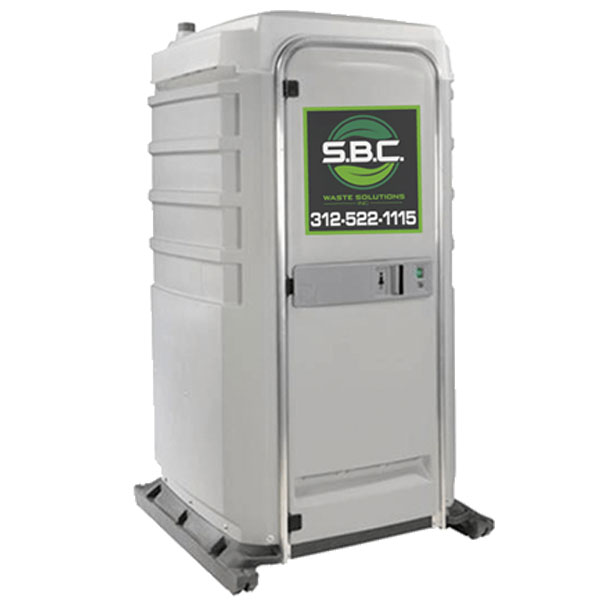
Porta Potty Rental Service

Porta Potty Rental Service


Cost-Effective Solutions for Emergency Projects

Budget constraints are a reality in disaster recovery, particularly for municipalities, nonprofits, and small businesses managing cleanup operations with limited resources. There’s often pressure to cut costs wherever possible—and sanitation can look like an easy place to trim.

That calculation tends to backfire. The cost of worker downtime, illness, and reduced productivity caused by inadequate sanitation consistently outweighs the cost of providing proper facilities in the first place. Portable restrooms are among the most cost-effective investments a project manager can make during a recovery operation.

SBC Waste Solutions is committed to transparent, competitive pricing that makes quality sanitation accessible—even in the context of emergency budgets. Their team works with clients to find solutions that fit both the operational requirements and the financial realities of each project. Whether that means a small number of units for a tight-knit crew or a large-scale deployment for a regional recovery effort, SBC Waste Solutions delivers value without compromising on service quality.

Flexible rental terms, responsive customer support, and proactive servicing schedules all contribute to a cost-effective experience that project managers can rely on throughout the duration of the cleanup.

Sanitation Is the Foundation, Not an Afterthought

Storm recovery is, at its core, a human effort. Every crew member out in the field, every volunteer clearing debris, every first responder managing a crisis scene—they all have basic needs that, when met, allow them to do their best work. Sanitation is foundational to that.

Portable restrooms aren’t a luxury during emergency projects. They’re a necessity that directly affects safety, health, productivity, and the speed at which communities recover from disaster. Getting that logistics piece right from the start prevents a host of downstream problems that are far more costly and disruptive to manage after the fact.

SBC Waste Solutions brings the experience, equipment, and operational commitment to deliver sanitation solutions that match the urgency of emergency projects. From rapid deployment to specialized equipment to flexible service plans, they handle the sanitation side of disaster recovery so project managers can focus on everything else.

When the next storm hits, don’t let sanitation be the detail that slows your operation down. Contact SBC Waste Solutions today to learn more about their emergency portable restroom services and get a plan in place before you need it.

(312) 522-1115
2401 Gardner Rd, Broadview, IL 60155
Hygienic Porta Potty Restroom Service

The Role of Portable Toilets in Disaster Relief and Emergency Response

The Role of Portable Toilets in Disaster Relief and Emergency Response

When a natural disaster strikes, the immediate focus is on rescue, medical aid, food, and shelter. These are the cornerstones of survival. However, there’s another critical component that is often overlooked in the initial chaos but becomes increasingly vital as days turn into weeks: sanitation. Without proper sanitation facilities, a disaster zone can quickly become a breeding ground for disease, compounding the initial crisis with a secondary public health emergency.

This is where portable toilets play a crucial, life-saving role. They are not just a matter of convenience; they are a fundamental part of maintaining public health, dignity, and order in the most challenging circumstances. In this guide, we will explore the indispensable role of portable sanitation in emergency response, the logistical complexities involved, and how companies like SBC Waste are at the forefront of providing these essential services when they are needed most. Understanding this aspect of disaster relief is key to appreciating the full scope of what it takes to help a community recover and rebuild.

The Critical Importance of Sanitation in Emergencies

After a disaster like a hurricane, earthquake, or flood, public infrastructure is often severely compromised. Water and sewage systems can be damaged or completely destroyed, leaving entire communities without access to functional toilets and clean water. This creates a dangerous environment where waterborne diseases can thrive.

Preventing a Public Health Crisis

The lack of proper sanitation facilities leads to open defecation, which contaminates water sources, soil, and food supplies. This contamination can trigger outbreaks of serious diseases, including:

  • Cholera: An acute diarrheal illness caused by infection of the intestine with the bacterium Vibrio cholerae. It can be fatal within hours if left untreated.
  • Typhoid Fever: A life-threatening illness caused by the bacterium Salmonella Typhi, spread through contaminated food and water.
  • Dysentery: An intestinal inflammation, especially in the colon, that can lead to severe diarrhea with blood and mucus.
  • Hepatitis A: A highly contagious liver infection caused by the hepatitis A virus, which spreads through ingestion of contaminated food and water.

According to the World Health Organization (WHO), at least 2 billion people use a drinking water source contaminated with feces globally. In a disaster scenario, this number skyrockets, making the deployment of sanitation solutions an immediate priority. Portable toilets provide a safe and hygienic alternative, effectively containing human waste and preventing it from contaminating the environment. This simple intervention is one of the most effective tools for preventing a secondary health crisis in the wake of a disaster.

Upholding Human Dignity

Beyond the clear health benefits, access to private and secure toilet facilities is a matter of human dignity. In the chaos and vulnerability that follow a disaster, having a safe place for personal hygiene can provide a small but significant sense of normalcy and security. This is particularly important for women, children, and the elderly, who are often at greater risk in crowded and exposed emergency shelters. Portable toilets offer the privacy that helps preserve dignity and reduce stress during an already traumatic experience.

Portable Toilets Service Provider

Portable Toilets Service Provider

SBC Waste’s Commitment to Disaster Relief

When disaster strikes, a rapid and organized response is essential. SBC Waste has built a reputation as a reliable partner for emergency management agencies, NGOs, and local governments, providing critical sanitation infrastructure when it’s needed most. Our commitment to disaster relief is rooted in a deep understanding of the logistical and human challenges that emergencies present.

A History of Service

For years, SBC Waste has been on the ground in the aftermath of various emergencies, from hurricanes along the Gulf Coast to floods in the Midwest. Our experience has taught us that every disaster is unique, requiring a flexible and tailored approach. We have developed robust protocols and a dedicated rapid-response team that can be mobilized at a moment’s notice. Our mission extends beyond simply delivering portable toilets; we aim to be an integral part of the recovery effort, providing solutions that are effective, reliable, and considerate of the affected population’s needs.

Our team works closely with emergency coordinators to assess the situation, determine the number and type of units required, and plan for strategic placement to ensure accessibility for all. This collaborative approach ensures that sanitation services are integrated seamlessly into the broader relief operation.

Types of Portable Toilets for Disaster Relief

Not all emergency situations are the same, and neither are the sanitation needs. SBC Waste offers a range of portable toilet models designed to meet the specific requirements of different disaster scenarios.

Standard Portable Toilets

The workhorse of any disaster relief operation, the standard portable toilet is durable, easy to transport, and can be deployed in large numbers quickly. These units are self-contained and include a toilet, a urinal, and often a hand sanitizer dispenser. They are ideal for serving large populations in temporary shelters, base camps for first responders, and community gathering points. Their robust construction allows them to withstand harsh conditions, making them a reliable choice for any emergency.

ADA-Compliant Portable Toilets

Ensuring accessibility for everyone is a critical aspect of equitable disaster response. ADA-compliant portable toilets are designed to accommodate individuals with disabilities and those who use wheelchairs. These units are more spacious than standard models, featuring a flat-floor design for easy wheelchair entry, interior grab bars for support, and a wider door. Deploying ADA-compliant units is not just a matter of compliance; it’s a moral imperative to ensure that all members of the community, regardless of their physical abilities, have safe and dignified access to sanitation.

High-Rise Portable Toilets

In urban disasters where buildings may still be structurally sound but without functioning plumbing, high-rise portable toilets are an essential solution. These units are designed with a smaller footprint and can be lifted by crane or elevator to upper floors of buildings. This makes them invaluable for construction and cleanup crews working in high-rise buildings and for residents who may be sheltering in place in multi-story apartment complexes.

Toilet Trailers and Shower Trailers

For longer-term relief efforts or for base camps housing a large number of responders and volunteers, toilet and shower trailers offer a higher level of comfort and convenience. These trailers feature multiple private stalls, flushing toilets, running water sinks, and climate control. Shower trailers provide a much-needed opportunity for individuals to maintain personal hygiene, which is crucial for both physical health and morale during a prolonged response effort.

Portable Toilets Service

Portable Toilets Service

Logistical Challenges and Solutions

Deploying and maintaining a fleet of portable toilets service in a disaster zone is a complex logistical undertaking. Challenges can range from impassable roads and communication breakdowns to securing a sufficient supply of units and servicing them regularly.

Overcoming Transportation Hurdles

In the immediate aftermath of a disaster, transportation infrastructure is often severely disrupted. Roads may be flooded, blocked by debris, or completely destroyed. SBC Waste’s logistics team is experienced in navigating these challenges. We use a combination of strategic planning, real-time information from on-the-ground partners, and a versatile fleet of delivery vehicles to get our units where they need to go. Pre-positioning assets in disaster-prone regions before a predicted event, like a hurricane, is another key strategy that allows for a more rapid post-event deployment.

Ensuring Consistent Maintenance and Service

A portable toilet is only effective if it is regularly cleaned and serviced. In a high-use emergency setting, units may need to be serviced daily or even more frequently. This involves pumping out the waste holding tank, cleaning and sanitizing the interior, restocking supplies like toilet paper and hand sanitizer, and performing any necessary repairs.

SBC Waste operates a fleet of service trucks and employs trained technicians who are dedicated to this task. We establish a regular service schedule in coordination with site managers to ensure that all units remain clean, hygienic, and fully operational throughout the relief effort. Proper waste disposal is also a critical component, and we adhere to all local and federal regulations for the safe and environmentally responsible disposal of waste.

Scaling the Response

The scale of a disaster can be immense, requiring hundreds or even thousands of portable toilets. SBC Waste maintains a large inventory of units and has established mutual aid agreements with other providers in the industry. This network allows us to quickly scale our response and source additional units when demand exceeds our immediate capacity, ensuring that no community is left without essential sanitation services.

The Future of Emergency Sanitation

Innovation is constantly driving improvements in portable sanitation technology, with a focus on creating solutions that are more sustainable, efficient, and user-friendly for disaster response. Some of the advancements on the horizon include:

  • Solar-Powered Units: Portable toilets equipped with solar panels can power interior lighting, ventilation fans, and even charge small electronic devices, providing added safety and convenience.
  • Water-Saving Technologies: New designs for flushing toilets and handwashing stations are being developed to minimize water usage, a critical consideration in areas where clean water is scarce.
  • Waste-to-Energy Systems: Advanced systems are being explored that can convert human waste into energy, such as biogas. While still in the early stages for portable applications, this technology holds promise for creating a closed-loop, sustainable sanitation solution for long-term recovery camps.
  • Smart Monitoring: IoT sensors can be integrated into portable toilets to monitor usage levels, tank capacity, and supply status in real-time. This data allows for more efficient service routing and ensures that units are serviced exactly when needed.

SBC Waste is committed to staying at the forefront of these innovations, continually seeking out new technologies and methods to improve the effectiveness and efficiency of our disaster relief services.

Portable Toilets

Portable Toilets

A Foundation for Recovery

In the complex and challenging world of disaster relief, the reliable portable toilet service is a quiet hero. It is a critical tool for preventing disease, upholding dignity, and laying the groundwork for a community’s recovery. The availability of safe and hygienic sanitation facilities is a fundamental human right, and it becomes even more pronounced in times of crisis.

SBC Waste is proud to play a vital role in emergency response efforts. Our experience, dedication, and comprehensive range of solutions enable us to provide rapid and reliable sanitation services when they are needed most. By managing this essential aspect of disaster relief, we help first responders, relief workers, and affected communities focus on the immediate tasks of rescue, healing, and rebuilding. Because when the basics are covered, hope has a stronger foundation on which to grow.

(312) 522-1115
2401 Gardner Rd, Broadview, IL 60155
Portable Restroom Solution

The Evolution of Portable Toilets: From Basic Units to Modern Luxury Restrooms

The Evolution of Portable Toilets: From Basic Units to Modern Luxury Restrooms

Portable toilets play a vital role in public health, safety, and convenience, appearing everywhere from construction sites to festivals. While they may not seem glamorous, their evolution from basic functional units to modern, sophisticated facilities is a story of innovation and progress.

For centuries, societies have faced the challenge of providing sanitation in areas without permanent plumbing. Today’s portable toilets are the result of advancements in engineering, materials, and public health awareness. Companies like SBC Waste have helped transform simple units into advanced solutions that prioritize hygiene, comfort, and sustainability.

From the first chemical toilets of the mid-20th century to today’s high-end restroom trailers, portable sanitation has become cleaner, safer, and more user-friendly, meeting the growing demands of modern society while addressing environmental concerns.

Early Innovations and Humble Beginnings

Before modern portable toilets, temporary sanitation was often crude and unsanitary. Armies, large work crews, and public gatherings typically relied on simple latrines or trench toilets – essentially pits dug into the ground. These offered minimal privacy and posed significant health risks due to waste exposure and potential water contamination.

The direct ancestor of today’s portable toilet emerged out of necessity during World War II. The booming shipbuilding industry in the 1940s faced a challenge: workers constantly left large vessels to use distant restrooms, wasting valuable time. To solve this, employers installed simple wooden cabanas equipped with small holding tanks directly on the docks. While these early units were heavy, difficult to clean, and prone to absorbing odors, they marked a crucial first step toward a portable, self-contained sanitation solution, significantly improving efficiency.

These rudimentary models were a far cry from what we experience today. Constructed primarily from wood and metal, they were cumbersome and deteriorated quickly. Their holding tanks were often basic buckets or drums, requiring frequent and unpleasant manual emptying. Deodorizing and advanced sanitation were non-existent, making the user experience far from pleasant. Nevertheless, these basic designs proved the concept of a movable, standalone toilet, laying the essential groundwork for all future innovations in portable sanitation.

 Portable Toilets

Portable Toilets

Mid-Century Developments: The Dawn of Modern Sanitation

The 1950s and 1960s marked a turning point in the portable sanitation industry. This era saw the introduction of two crucial innovations that would define the portable toilet for decades to come: fiberglass construction and chemical deodorizers.

George Harding, co-founder of the Pacific Sanitary Company, is often credited with patenting the first fiberglass portable toilet in the 1960s. Fiberglass was a revolutionary material for this application. Unlike wood, it was lightweight, making the units much easier to transport and position. It was also non-porous, meaning it didn’t absorb odors and was significantly easier to clean and sanitize. This shift to fiberglass made portable toilets more practical, hygienic, and commercially viable.

Around the same time, the development of effective chemical deodorizers addressed one of the biggest complaints about portable toilets: the smell. Early deodorizers were typically formaldehyde-based. When added to the holding tank, these chemicals broke down waste and neutralized odors, making the experience far more tolerable for users. The most common combination was a blue dye mixed with the deodorizing chemical, which helped mask the contents of the tank and gave the liquid its signature blue color that is still widely recognized today.

These mid-century advancements transformed the portable toilet from a rough necessity into a standardized product. Companies could now manufacture and service units on a larger scale, leading to their widespread adoption at construction sites, parks, and special events. While still basic by today’s standards—often lacking a flushing mechanism, sink, or hand sanitizer—these chemical toilets established the fundamental design that would be refined and improved upon in the following years.

Modern Enhancements: A Focus on Hygiene and Comfort

The late 20th and early 21st centuries saw portable toilet design evolve rapidly, with a new emphasis on user comfort, enhanced hygiene, and operational efficiency. Manufacturers and service providers like SBC Waste began introducing features that are now considered standard in modern units.

Key Innovations in Standard Units:

  • Polyethylene Construction: Fiberglass was eventually replaced by high-density polyethylene (HDPE). This durable plastic is even lighter, more resistant to damage and graffiti, and can be molded into more ergonomic and user-friendly designs. Modern units often feature brighter, more spacious interiors thanks to this versatile material.
  • Flushing Mechanisms: To improve hygiene and the user experience, simple flushing systems were introduced. These systems, whether operated by a hand pump or a foot pedal, rinse the bowl with the blue chemical solution from the holding tank, keeping the interior cleaner and more pleasant between servicings.
  • Hand Sanitizer Dispensers: Recognizing the importance of hand hygiene, manufacturers began integrating hand sanitizer dispensers directly into the units. This simple addition was a major public health improvement, offering users a way to clean their hands without the need for a separate water source.
  • Improved Ventilation: Early portable toilets were notorious for trapping heat and odors. Modern designs incorporate advanced ventilation systems, with vents strategically placed to promote airflow and release unpleasant smells, making the interior more comfortable.
  • Urinals and Toilet Paper Dispensers: To improve convenience and hygiene, separate urinals became a common feature in standard units. Enclosed, multi-roll toilet paper dispensers were also added to protect the paper from moisture and ensure it’s always available.

SBC Waste has been a key player in bringing these modern enhancements to the market. By offering a fleet of well-maintained, modern portable toilets, they ensure that customers at construction sites and local events have access to clean, comfortable, and hygienic sanitation facilities. Their commitment to regular servicing and using high-quality supplies means that even their standard units exceed basic expectations.

The Rise of Luxury Portable Restrooms

As events like outdoor weddings, corporate functions, and VIP sections at festivals became more sophisticated, so did the demand for higher-end sanitation options. This led to the development of luxury portable restrooms and restroom trailers, which offer an experience comparable to a permanent indoor bathroom.

These are not your standard portable toilets. Luxury restroom trailers are designed with aesthetics and comfort in mind, providing a level of amenity that was once unimaginable in portable sanitation. SBC Waste is a leader in this premium category, offering a range of luxury options for upscale events.

 Portable Toilets Service

Portable Toilets Service

Features of Luxury Portable Restrooms:

  • Flushing Toilets and Sinks: High-end trailers feature porcelain flushing toilets and sinks with running hot and cold water, powered by onboard water tanks and pumps.
  • Climate Control: Full climate control, including air conditioning and heating, ensures guests are comfortable regardless of the weather.
  • High-End Finishes: Interiors often boast premium materials like wood cabinetry, granite-style countertops, decorative flooring, and elegant lighting fixtures.
  • Spacious and Private Stalls: Instead of a single unit, these trailers feature multiple private stalls, often with full-length doors, providing greater privacy and reducing wait times.
  • Amenities: Luxury units come stocked with premium amenities, including soft paper towels, scented soaps, mirrors, wastebaskets, and sometimes even background music systems.

These luxury options from companies like SBC Waste have revolutionized the event industry. They allow event planners to host high-end functions in any location without compromising on the quality of the restroom facilities. For a wedding in a scenic field or a black-tie gala under a tent, luxury restroom trailers ensure that guest comfort is a top priority.

Environmental Considerations and Green Initiatives

With growing global awareness of environmental issues, the portable sanitation industry has made significant strides toward sustainability. The focus has shifted to reducing water consumption, using eco-friendly chemicals, and implementing greener operational practices.

Key Eco-Friendly Innovations:

  • Water-Saving Technology: Modern portable toilets are designed to be incredibly water-efficient. Flushing units use a minimal amount of recycled chemical water, and waterless urinals further reduce consumption.
  • Eco-Friendly Chemicals: The industry has moved away from formaldehyde-based chemicals, which are harmful to the environment. Today, leading companies like SBC Waste use biodegradable, non-toxic deodorizers that effectively control odors without damaging ecosystems.
  • Recycled Materials: Many portable toilets are now manufactured using recycled plastics, and the units themselves are fully recyclable at the end of their lifespan.
  • Solar-Powered Features: Some advanced and luxury units incorporate solar panels to power interior lighting, fans, and pumps, reducing their reliance on external energy sources or generators.
  • Sustainable Servicing Practices: SBC Waste is committed to green initiatives in its operations. This includes optimizing service routes to reduce fuel consumption and vehicle emissions, as well as responsible disposal of waste in compliance with all environmental regulations.

By prioritizing these green solutions, the portable sanitation industry is minimizing its environmental footprint and contributing to a more sustainable future.

 Portable Toilets Service Provider

Portable Toilets Service Provider

The Future of Portable Sanitation

Innovation in the portable toilet service industry is far from over. Emerging technologies are poised to make portable sanitation even smarter, cleaner, and more sustainable.

Future Trends to Watch:

  • Smart Technology: The Internet of Things (IoT) is making its way into portable toilets. Sensors can monitor waste levels, supply levels (like toilet paper and hand sanitizer), and even foot traffic. This data can be transmitted in real-time to service providers like SBC Waste, allowing for “just-in-time” servicing. This optimizes efficiency, ensures units are never out of supplies, and prevents overflow.
  • Self-Cleaning Technology: Imagine a portable toilet that cleans itself after every use. Research is underway on automated systems that can spray disinfectant and wipe down surfaces, drastically improving hygiene and reducing the labor required for maintenance.
  • Advanced Waste Conversion: Future innovations may include onboard systems that begin to process waste immediately, converting it into energy or fertilizer. This would reduce the volume of waste that needs to be transported and disposed of.

A Legacy of Innovation

The journey of the portable toilet from a wooden box on a shipyard dock to a climate-controlled luxury trailer is a testament to human ingenuity. What began as a simple solution to a practical problem has evolved into a sophisticated industry that balances functionality, user experience, and environmental responsibility.

Companies like SBC Waste are at the heart of this evolution. By consistently adopting the latest technologies, offering a diverse range of products from basic units to luxury trailers, and committing to sustainable practices, they are not just providing a service—they are advancing public health and convenience. The next time you see a portable toilet, take a moment to appreciate the decades of innovation that have made it a clean, safe, and indispensable part of our modern world.

(312) 522-1115
2401 Gardner Rd, Broadview, IL 60155