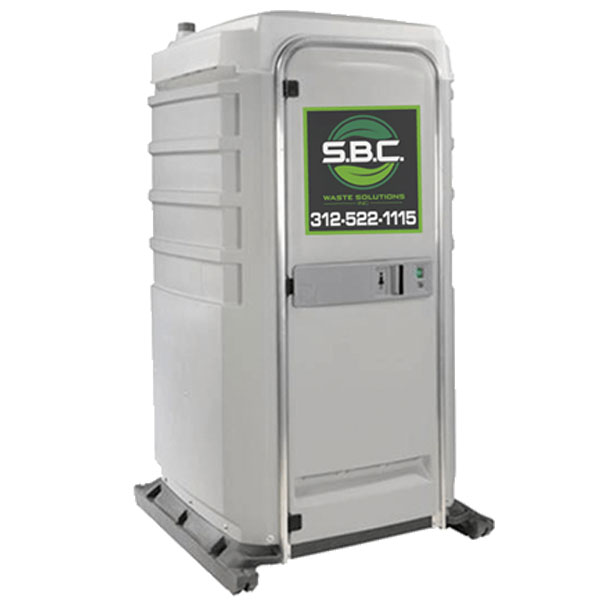
Luxury Restroom vs. Standard Porta Pottie

Long-Term Porta Potty Rentals: What Contractors Should Know Before Signing a Contract

Long-Term Porta Potty Rentals: What Contractors Should Know Before Signing a Contract

Signing a porta potty rental contract without doing your homework can cost you—literally. Hidden fees, inadequate units, and unreliable service schedules are more common than you’d think, and on a long-term construction project, these problems compound fast. A minor inconvenience on day one becomes a serious compliance issue by month three.

This guide walks you through everything contractors need to consider before committing to a long-term porta potty rental. From OSHA requirements to eco-friendly waste management, you’ll come away knowing exactly what to look for—and what to avoid.

Understanding Your Site’s Sanitation Needs

Before you request a single quote, get clear on your site’s specific requirements. Three factors will shape everything: project duration, crew size, and site layout.

  • Project Duration: Determines the type of contract and service frequency you’ll need. A two-month foundation pour has different demands than an 18-month commercial build.
  • Crew Size: Directly affects unit count—OSHA recommends a minimum of one toilet per 20 workers for an 8-hour shift, with more units required as crew size grows or shifts extend.
  • Site Layout: A sprawling site may need units distributed across multiple zones to keep workers from wasting time walking long distances.

SBC Waste Solutions takes a consultative approach to this process, working with contractors to assess their specific requirements before recommending a package. Getting this right upfront prevents the headache of adding units mid-project or paying for equipment you don’t need.

Long-Term Porta Potty Rentals

Long-Term Porta Potty Rentals

OSHA Compliance: What You Need to Know

Sanitation on construction sites isn’t optional—it’s federally regulated. OSHA’s standards under 29 CFR 1926.51 outline clear requirements for toilet facilities on job sites, and non-compliance can result in fines, project delays, and liability exposure.

Key OSHA requirements include:

  • Adequate facilities: One toilet for every 20 workers during an 8-hour shift
  • Proximity to the worksite: Facilities must be reasonably accessible
  • Handwashing stations: Required when toilet facilities are provided
  • ADA compliance: Required where applicable

Staying compliant across a long-term project requires more than just dropping units on-site and forgetting about them. Units need to be maintained, stocked, and serviced regularly to remain compliant and functional.

SBC Waste Solutions ensures all units meet or exceed OSHA requirements. Their team stays current with regulatory updates so contractors don’t have to, giving you one less thing to track on an already complex job site.

Key Features to Look for in Porta Potty Rentals

Not all portable toilets are created equal. For short-term events, a basic unit might cut it. For a construction project spanning several months, quality and durability matter significantly more.

Here’s what to prioritize:

  • Cleanliness and Hygiene: A dirty unit is a compliance risk and a morale issue. Look for providers who offer frequent cleaning schedules and fresh supplies with each service visit.
  • Structural Durability: Units on active construction sites take a beating. Poorly built units crack, tip, and deteriorate quickly—look for heavy-duty construction designed to withstand harsh outdoor conditions.
  • Accessibility: ADA-compliant units are required in certain situations and are good practice regardless. These units feature wider doors, grab bars, and lower fixture heights to accommodate workers with mobility needs.
  • Handwashing Stations: Standalone handwashing stations significantly improve hygiene on site and are a requirement under OSHA in many circumstances. A good rental provider will offer these as part of a bundled package.

SBC Waste Solutions supplies modern, well-maintained units built for the demands of active job sites. Their fleet includes standard units, high-capacity options, and ADA-compliant models—giving contractors the flexibility to configure their sanitation setup correctly the first time.

The Fine Print: What to Watch for in Rental Contracts

Long-term rental contracts come with more complexity than a weekend event rental. Before you sign anything, read carefully—and know what questions to ask.

Common pitfalls to watch for:

  • Hidden fees: Delivery, pickup, emergency service calls, and fuel surcharges are often buried in the fine print. Always ask for an all-in pricing breakdown.
  • Vague service schedules: A contract that promises “regular cleaning” without defining frequency leaves you vulnerable. Push for specific service days and response time commitments.
  • Unclear terms around damage: Who’s liable if a unit is damaged on your site? Understand the damage policy before it becomes an issue.
  • Auto-renewal clauses: Some contracts automatically renew unless you provide written notice within a specific window. Miss that window, and you’re locked in for another term.
  • Early termination penalties: Projects get delayed or cancelled. Know the cost of exiting a contract before you commit to one.

SBC Waste Solutions is built around transparent contracting. Their agreements spell out service schedules, pricing, and responsibilities clearly—no surprises, no buried terms. If something changes mid-project, their team works with you to adjust rather than holding you to rigid contract language.

Long-Term Porta Potty Rental Service

Long-Term Porta Potty Rental Service

Service and Maintenance: Why It’s Non-Negotiable

Regular maintenance isn’t just about comfort—it’s about compliance, sanitation, and workforce morale. An under-serviced unit on a long-term project creates health hazards and becomes a flashpoint for worker complaints.

For any long-term rental, establish the following before signing:

  • Service frequency: Weekly servicing is standard, but high-traffic sites may need more frequent visits. Confirm the schedule in writing.
  • What’s included in each service visit: Waste removal, cleaning, restocking supplies, and deodorization should all be standard.
  • Emergency response: Spills, vandalism, or unit damage happen. Know how quickly your provider can respond and whether there’s an additional charge for urgent calls.
  • Single point of contact: Dealing with a different person every time you call creates inefficiencies. Dedicated account management matters on long jobs.

SBC Waste Solutions operates on reliable service schedules and backs them with responsive customer support. Their teams are dispatched on consistent cycles, and contractors have direct access to support when something unexpected comes up. On a six-month build, that reliability is worth more than any introductory discount from a lesser provider.

Stretching Your Rental Budget Without Compromising Quality

Cost management matters on every project, and sanitation is no exception. That said, cutting corners on porta potty rentals tends to create more expensive problems downstream—compliance violations, workforce complaints, and emergency service calls all carry real costs.

A few strategies to get the most from your rental budget:

  • Bundle services: Many providers, including SBC Waste Solutions, offer packaged pricing for porta potties combined with handwashing stations, dumpster rentals, or other site services. Bundling typically yields better rates than sourcing each service separately.
  • Right-size your unit count: Ordering too many units wastes money; too few creates compliance issues and long lines. Use OSHA guidelines and your crew schedule to calculate the right number, then revisit as the project progresses.
  • Plan for phase changes: A project’s peak crew phase may require more units than the finishing phase. A flexible rental partner can scale your setup up or down without penalty.
  • Avoid overages through clear contracts: Overages often come from vague contracts that don’t specify what’s included. Transparency upfront is the best cost-control tool you have.

SBC Waste Solutions offers competitive pricing and flexible packages designed to scale with your project. Their team can help you identify the most cost-effective configuration without leaving you short on compliance or coverage.

Environmental Considerations for Porta Potty Rentals

Sustainable job site practices are increasingly expected by project owners, municipalities, and general contractors. Waste management—including portable sanitation—plays a role in your project’s overall environmental footprint.

Key areas to consider:

  • Waste disposal practices: Confirm your rental provider disposes of waste at licensed facilities in compliance with local regulations.
  • Chemical usage: Some providers use more environmentally friendly deodorizing chemicals than others. It’s worth asking about.
  • Water-efficient handwashing stations: Options that minimize water usage can contribute to green building certifications and reflect well on your project’s sustainability profile.

SBC Waste Solutions is committed to responsible waste management practices. Their approach to disposal, chemical use, and service operations reflects a genuine effort to reduce environmental impact—something increasingly important to clients across public and private construction sectors.

Porta Potty Rentals

Porta Potty Rentals

Why Choose SBC Waste Solutions for Long-Term Porta Potty Rentals?

Long-term projects need a sanitation partner, not just a vendor. The difference comes down to four things: compliance, reliability, transparency, and service.

SBC Waste Solutions delivers on all four. They help contractors assess their needs accurately from the start, supply modern and well-maintained units that meet or exceed OSHA standards, and back everything with clear contracts and dependable service schedules. Their team is responsive when issues arise and proactive about keeping your site compliant as the project evolves.

For contractors managing complex, multi-month builds, that combination of expertise and accountability is what separates a smooth project from a costly one.

Ready to Keep Your Site Running Smoothly?

Porta potty rentals may not be the most glamorous part of project planning, but they’re one of the areas where the wrong decision causes the most friction. Compliance violations, workforce complaints, and surprise fees all start with a provider who isn’t equipped for long-term commitments.

Choosing the right partner from the beginning is the simplest way to keep your site sanitation running in the background—reliably, compliantly, and within budget.

Ready to simplify your site sanitation? Contact SBC Waste Solutions today for a consultation or quote tailored to your project’s specific needs.

(312) 522-1115
2401 Gardner Rd, Broadview, IL 60155
Porta Potty Rental Service Provider

How Clean Portable Restrooms Boost Worker Productivity on Construction Sites

How Clean Portable Restrooms Boost Worker Productivity on Construction Sites

Walk any busy construction site and you’ll notice the usual markers of productivity: workers moving with purpose, machinery humming, materials staged and ready. But there’s one factor that rarely makes it onto a project manager’s productivity checklist—portable restroom cleanliness. It sounds unglamorous, but the condition of your site’s sanitation facilities has a measurable impact on worker morale, attendance, health, and output.

SBC Waste Solutions has spent years helping construction companies across the region maintain clean, reliable portable restroom facilities. And the feedback from site managers is consistent: when sanitation improves, so does performance. This post breaks down exactly why that happens—and what you can do about it.

The Link Between Sanitation and Worker Morale

Nobody wants to use a restroom that’s filthy, poorly stocked, or poorly maintained. That seems obvious. What’s less obvious is how strongly workers’ restroom experiences shape their overall attitude toward their employer.

Research in occupational psychology consistently shows that the physical environment shapes how employees feel about their work. When a company invests in decent facilities—even basic ones—it signals respect. Workers notice. The inverse is also true: neglected restrooms send the message that management doesn’t care about the people doing the job. That perception erodes trust, lowers morale, and quietly chips away at the motivation that drives quality work.

A study published by the American Institute for Cleaning Sciences found that workplace cleanliness significantly affects employee perception of management quality. On construction sites, where workers spend long hours in physically demanding conditions, that dynamic is amplified. A clean restroom is a small gesture. But it registers.

Cleaned Portable Restroom for Construction Site

Cleaned Portable Restroom for Construction Site

Attendance and Retention: Why Clean Restrooms Matter

High turnover is one of the most expensive problems in construction. Recruiting, onboarding, and training new workers costs time and money—resources that could go directly into project execution. Retaining skilled workers is a strategic priority, and sanitation plays a more significant role than most managers realize.

Workers who feel uncomfortable using their site’s facilities will find ways to avoid them. That might mean shorter shifts, more frequent off-site breaks, or simply choosing not to return. Chronic discomfort with site conditions is a real reason workers leave for competitors—and rarely the one they’ll cite in an exit interview.

Clean portable restrooms reduce that friction. When workers know they can take a break in a sanitary, well-stocked facility, they’re more likely to stay on-site, stay focused, and stay employed with you.

The attendance piece matters too. Poorly maintained restrooms are a breeding ground for germs. Workers who get sick take days off. A team that’s consistently at full strength moves faster, misses fewer deadlines, and produces better outcomes.

Health and Safety Benefits of Clean Portable Restrooms

Construction sites already carry inherent health and safety risks. Poor sanitation adds another layer—one that’s entirely preventable.

Unclean portable restrooms can harbor bacteria like E. coli and Staphylococcus, as well as viruses that spread rapidly in environments where workers share close quarters and physical contact with surfaces is frequent. Gastrointestinal illnesses, skin infections, and respiratory issues can all trace back to inadequate restroom hygiene.

Beyond the direct health risks, there are regulatory requirements to consider. OSHA mandates that construction employers provide adequate sanitation facilities based on the number of workers on-site. Failing to meet those standards isn’t just a health risk—it’s a compliance issue with real financial consequences (more on that shortly).

SBC Waste Solutions’ maintenance protocols are designed around health and safety compliance. Regular servicing, proper waste disposal, restocking of soap and sanitation supplies, and timely repairs ensure that every unit on your site meets regulatory standards. That’s not just good housekeeping—it’s risk management.

Construction Site Cleaned Portable Restroom

Construction Site Cleaned Portable Restroom

The Productivity Payoff: Clean Restrooms and Output

Productivity on a construction site depends on momentum. When workers are focused, comfortable, and healthy, projects move. When they’re distracted, uncomfortable, or dealing with illness, momentum stalls.

The math here is straightforward. A crew of 20 workers, each losing 15 minutes per day to off-site restroom breaks or avoidance behaviors, loses 50 hours of labor per week. Across a 6-month project, that’s over 1,000 hours—before accounting for the slower pace that comes with low morale or illness-related fatigue.

Clean, conveniently located portable restrooms eliminate that loss. Workers take quick, comfortable breaks on-site and return to work faster. They’re not dehydrating themselves to avoid using poorly maintained facilities (a real pattern documented in outdoor and construction labor research). They’re not mentally distracted by discomfort.

SBC Waste Solutions provides strategically placed units with regular servicing schedules, ensuring that facilities are always clean, stocked, and accessible. The result is fewer workflow interruptions and a workforce that stays sharper throughout the day.

Compliance and Reputation: The Business Case for Clean Restrooms

There’s a broader business case beyond productivity, and it comes down to two things: legal risk and professional reputation.

On the legal side, OSHA’s sanitation standards for construction sites are specific. Employers must provide a minimum number of toilets based on workforce size, ensure facilities are maintained in a sanitary condition, and provide handwashing facilities where practical. Violations can result in citations and fines—costs that are entirely avoidable with the right sanitation partner.

On the reputation side, construction is a relationship-driven industry. General contractors, subcontractors, and clients talk. A site with visibly poor sanitation conditions raises questions about a company’s overall standards. It affects how workers perceive the company as an employer, how clients perceive the company as a professional, and how inspectors perceive the company as a compliant operator.

Conversely, sites that maintain clean, well-organized facilities project competence. It’s a detail that distinguishes professional operations from careless ones—and that distinction compounds over time in the form of referrals, repeat business, and talent retention.

SBC Waste Solutions helps construction companies stay on the right side of both concerns. Their team stays up to date on applicable regulations and ensures that every site they service remains compliant, without putting that burden entirely on the site manager.

Portable Restroom Provider

Portable Restroom Provider

SBC Waste Solutions: Your Partner in Site Sanitation

SBC Waste Solutions offers portable restroom rental and maintenance services tailored to the demands of active construction sites. Their approach goes beyond simply dropping off a unit and collecting it at the end of the project.

Regular, scheduled maintenance keeps units clean and stocked throughout the project lifecycle. Service schedules are set based on site size, workforce numbers, and usage patterns—so facilities remain in good condition even on high-traffic sites.

Eco-friendly options are available for companies with sustainability commitments or clients who prioritize environmental responsibility. These units meet the same hygiene and compliance standards while reducing environmental impact.

Responsive customer service means that if a unit needs attention outside the regular schedule—due to unexpected usage spikes, damage, or supply depletion—the SBC Waste Solutions team responds quickly. Construction timelines don’t accommodate lengthy delays, and neither does SBC’s service model.

Flexible placement and scaling allows site managers to adjust the number and location of units as the project evolves. A site that starts with a small crew and expands mid-project can scale its sanitation infrastructure accordingly, without navigating a complicated procurement process.

The goal is simple: remove sanitation as a variable that site managers have to worry about, and let it become a reliable part of the site’s operational foundation.

Prioritize Sanitation for a Competitive Edge

Clean portable restrooms won’t show up on a Gantt chart or a project budget summary. They’re easy to overlook in favor of more visible productivity investments—better equipment, additional labor, faster materials delivery. But the evidence is clear: sanitation conditions affect how workers feel, how often they show up, how healthy they stay, and how efficiently they work.

That makes portable restroom cleanliness a genuine productivity lever. One that’s relatively inexpensive to pull, and one that pays consistent dividends across the life of a project.

For site managers looking to tighten operations, reduce unnecessary downtime, and demonstrate to workers and clients alike that they run a professional site, partnering with a reliable sanitation provider is a practical and high-value step.

Ready to raise your site’s standards? Contact SBC Waste Solutions today to discuss your site’s sanitation needs and find out how their portable restroom services can contribute to a more productive, compliant, and professional operation.

(312) 522-1115
2401 Gardner Rd, Broadview, IL 60155
Porta Potty Rental Service

Job Site Sanitation Done Right: A Contractor’s Guide to Porta Potty Rentals

Job Site Sanitation Done Right: A Contractor’s Guide to Porta Potty Rentals

Walk onto any well-run job site and you’ll notice a few things: organized materials, clear safety signage, and—often overlooked—proper sanitation facilities. It’s not glamorous, but sanitation is one of the most important logistical decisions a contractor makes. Get it right, and your crew stays healthy, productive, and compliant. Get it wrong, and you’re looking at OSHA violations, unhappy workers, and potential project delays.

This guide covers everything contractors need to know about porta potty rentals—from OSHA compliance and calculating the right number of units to placement best practices and budgeting. Whether you’re managing a small renovation or a large-scale construction project, SBC Waste Solutions is here to make the sanitation side of things simple.

Understanding OSHA Requirements for Job Site Restrooms

OSHA’s sanitation standards for construction sites are outlined under 29 CFR 1926.51. These rules exist to protect workers and ensure that basic hygiene is maintained on every job site, regardless of size or duration.

Minimum Restroom Requirements by Crew Size:

  • 1–15 workers: 1 toilet facility
  • 16–35 workers: 2 toilet facilities
  • 36–55 workers: 3 toilet facilities
  • 56–80 workers: 4 toilet facilities
  • 81–110 workers: 5 toilet facilities
  • 111+ workers: 1 additional toilet facility for every 40 workers

OSHA also requires that toilet facilities be kept clean and sanitary, that toilet paper be provided at all times, and that handwashing facilities (or hand sanitizer) be available near restroom facilities.

It’s worth noting that these are minimum requirements. Depending on your project type, site conditions, and crew composition, you may need more units to maintain a comfortable and functional worksite.

SBC Waste Solutions stays up to date on OSHA regulations and helps contractors configure their rental orders to meet—and often exceed—compliance requirements. When you work with a knowledgeable provider, you remove the guesswork entirely.

Porta Potty Rentals for Job Site

Porta Potty Rentals for Job Site

How to Calculate the Number of Porta Potties You Need

Meeting the OSHA minimums is a starting point, not a finish line. Several factors influence how many units your job site actually needs:

Factors to Consider:

  • Crew size and shift structure: Calculate based on peak occupancy, not total headcount, especially for multiple shifts.
  • Project duration: For multi-month projects, plan for units to rotate or be added as the crew grows.
  • Type of work: Labor-intensive work increases restroom usage.
  • Proximity to permanent facilities: Remote sites may need more units than urban sites with nearby restrooms.
  • Weather conditions: Hot weather increases hydration and restroom usage.

A general rule of thumb: One porta potty per 10 workers for an 8-hour shift. Longer shifts or heavier labor may require more.

SBC Waste Solutions works with contractors to assess these variables and recommend the right number of units to prevent bottlenecks and emergency additions.

Types of Porta Potties: Choosing the Right Units for Your Job Site

Standard Porta Potties
These are the most common units—cost-effective, functional, and well-suited to general construction projects. They include a toilet, urinal, and toilet paper holder.

Deluxe Units with Handwashing Stations
These units include a built-in handwashing station with fresh water and soap. They improve hygiene, worker satisfaction, and compliance with OSHA handwashing requirements.

ADA-Compliant Units
Required by federal law for accessibility. These units are larger, with grab bars and enough space for wheelchairs. Essential if any crew member requires accessible facilities.

SBC Waste Solutions carries a full range of unit types and can help you determine the best combination for your project.

Placement and Maintenance: Keeping Your Job Site Running Smoothly

Placement Best Practices

  • Position units within a 1-minute walk from any active work area.
  • Keep units away from food preparation/eating areas.
  • Place on stable, level ground; use gravel or platforms if needed.
  • Consider wind direction near high-traffic areas.
  • Ensure visibility and accessibility without blocking site traffic or emergency routes.

Maintenance and Servicing

  • Regular servicing includes pumping waste, replenishing supplies, and cleaning interiors.
  • Weekly service is the minimum; high-volume or hot sites may require twice-weekly service.
  • Neglecting maintenance can affect morale and OSHA compliance.

SBC Waste Solutions manages placement logistics, scheduled maintenance, delivery, setup, and pickup.

Job Site Porta Potty Rental

Job Site Porta Potty Rental

The Cost of Porta Potty Rentals: Budgeting for Sanitation

Sanitation is a project cost that requires careful budgeting.

Cost Factors:

  • Unit type: Standard units are most affordable; deluxe/ADA units cost more but often provide better value.
  • Rental duration: Longer rentals reduce per-day rates.
  • Service frequency: More frequent servicing costs more upfront but prevents bigger issues.
  • Location and access: Remote sites may incur delivery surcharges.
  • Number of units: Bulk orders often lower per-unit costs.

SBC Waste Solutions offers transparent pricing and helps balance cost and coverage for projects of any size.

What to Look for in a Porta Potty Rental Partner

Choosing a porta potty rental provider is more than price; it affects compliance, crew morale, and site management.

Key Qualities:

  • Reliability: Timely delivery and consistent service.
  • Responsiveness: Quick resolution of issues on site.
  • Compliance knowledge: Helps you meet OSHA standards.
  • Range of options: Ability to adapt to changing project needs.

Questions to Ask Providers:

  • Typical lead time for delivery?
  • Emergency service procedures?
  • Flexibility for last-minute unit changes?
  • What’s included in maintenance visits?

Contractors trust SBC Waste Solutions for dependable service, expert guidance, and flexibility.

Keep Your Crew Comfortable and Your Site Compliant

Sanitation is easy to underestimate until it becomes a problem. Understaffed facilities, missed service visits, or non-compliant units can derail a project.

Plan early, choose the right units, and work with a provider who prioritizes sanitation as seriously as you do. SBC Waste Solutions manages everything from unit calculation to delivery, placement, and ongoing maintenance.

Ready to get started? Contact SBC Waste Solutions today to discuss your next project and get a transparent quote.

(312) 522-1115
2401 Gardner Rd, Broadview, IL 60155
Porta Potty Rental

Booking Portable Restrooms for Multi-Day Events: What to Plan in Advance

Booking Portable Restrooms for Multi-Day Events: What to Plan in Advance

Running a multi-day event is no small feat. Between coordinating vendors, managing schedules, and keeping attendees happy, sanitation planning often gets pushed to the bottom of the list—until something goes wrong. A shortage of portable restrooms at a weekend festival or a corporate retreat can spiral into long lines, frustrated guests, and a reputation that’s hard to recover.

The good news? With the right planning, portable restroom logistics can be one of the smoothest parts of your event. This guide walks you through everything you need to know before the first attendee arrives—from calculating unit counts and placing them strategically, to navigating permits and choosing a provider that delivers on its promises.

Whether you’re organizing a three-day music festival, a weekend outdoor wedding, or a multi-day construction project, the principles are the same: plan early, plan thoroughly, and partner with the right people.

Why Sanitation Planning Is Critical for Multi-Day Events

Single-day events have a built-in buffer. If a unit runs out of supplies or a service gets delayed, the window of impact is limited. Multi-day events offer no such safety net.

Over 48 to 72 hours—or longer—waste accumulates, supplies deplete, and the condition of each portable unit can deteriorate fast without proper maintenance. According to industry standards, a single standard portable restroom is designed to serve approximately 50–75 users per day under normal conditions. At a multi-day event with hundreds or thousands of attendees, the math adds up quickly.

Poor sanitation doesn’t just inconvenience attendees—it creates genuine health risks. Overflowing units, insufficient handwashing access, and inadequate waste removal can lead to the spread of bacteria and disease. For event organizers, that’s not just a logistical problem; it’s a liability.

Planning sanitation well in advance protects your attendees, your vendors, your reputation, and your bottom line.

Portable Restrooms for Multi-Day Events

Portable Restrooms for Multi-Day Events

Assessing Your Needs: Quantity and Types of Units

The starting point for any portable restroom plan is a clear picture of your expected attendance, event duration, and the nature of activities taking place.

Key factors to consider:

  • Total headcount (and peak attendance periods)
  • Event duration (number of days and active hours per day)
  • Whether alcohol will be served (alcohol consumption increases restroom usage by an estimated 30%)
  • The ratio of male to female attendees
  • Any accessibility requirements for ADA-compliant units

As a general rule of thumb, you’ll need roughly one standard unit per 50 attendees per day. For multi-day events, this number should be adjusted upward, accounting for increased wear and the time between service visits.

Beyond standard units, consider whether you need:

  • ADA-accessible units to meet legal requirements and accommodate guests with disabilities
  • Luxury restroom trailers for VIP sections, weddings, or upscale corporate events
  • High-capacity units for festival zones with heavy foot traffic
  • Flushable units for longer events where comfort expectations are higher

Getting this mix right from the start avoids costly last-minute add-ons and unhappy guests mid-event.

Strategic Placement and Site Logistics

Where you place portable restrooms matters just as much as how many you have. Poor placement creates bottlenecks, discourages use, and can negatively impact the overall attendee experience.

Placement best practices:

  • Distribute units across the venue rather than clustering them in one area
  • Position units near high-traffic zones—food and beverage areas, stage fronts, and main entrances—without obstructing sight lines or emergency access routes
  • Ensure ADA-compliant units are placed on level, accessible surfaces
  • Keep units away from food preparation areas and water sources
  • Allow adequate space for service vehicles to access units throughout the event

For large multi-day events, it helps to map out placement on a site plan before confirming your order. A good portable restroom provider will review this plan with you and offer recommendations based on experience with similar events.

Lighting is another often-overlooked factor. For evening events or overnight camping scenarios, make sure restroom areas are well-lit for both safety and usability.

Waste Management and Scheduled Servicing

Standard portable restrooms are built for single-day use between pump-outs. For multi-day events, scheduled servicing is non-negotiable.

Service visits typically include:

  • Pumping out the waste tank
  • Restocking toilet paper and hand sanitizer
  • Cleaning and deodorizing the interior
  • Inspecting for damage or malfunction

For a three-day festival with heavy attendance, units may need servicing once or even twice daily. Coordinate with your provider ahead of time to establish a clear servicing schedule—and build in flexibility for unexpected high-usage periods.

It’s also worth designating a point of contact on your team to monitor restroom conditions throughout the event. Walk-throughs every two to three hours during peak hours can catch problems before they escalate. If a unit is approaching capacity or running low on supplies, your team should be empowered to call for an unscheduled service visit.

Some providers offer real-time monitoring technology for high-volume events, which takes the guesswork out of knowing when units need attention.

Portable Restroom Provider for Multi-Day Events

Portable Restroom Provider for Multi-Day Events

Essential Features for Multi-Day Comfort

Attendees at a one-hour concert have different expectations than those spending a long weekend at a campsite or outdoor expo. For multi-day events, comfort features can make a significant difference in overall satisfaction.

Handwashing stations:
Standalone handwashing stations with running water, soap, and paper towels encourage proper hygiene and reduce the spread of germs—especially critical at food-forward events. Hand sanitizer dispensers are a lower-cost alternative but shouldn’t be the only option available.

Luxury restroom trailers:
These units typically feature:

  • Flushing toilets and running water
  • Interior lighting and climate control
  • Mirrors, countertops, and premium finishes
  • Separate male and female sections

For corporate events, weddings, or VIP areas, luxury trailers signal that organizers have thought through every detail. They’re particularly effective when positioned near registration areas or high-visibility event spaces.

Shower trailers:
At campgrounds or long-duration outdoor events, consider shower trailers as an additional amenity. Attendees who are comfortable and clean stay longer and spend more.

Navigating Local Regulations and Permits

Many local governments and event authorities require a minimum number of restroom facilities per attendee as a condition of event permits. These requirements vary by state, county, and event type—and they’re not always easy to find.

Failing to meet these standards can result in fines, event shutdowns, or permit denials. The time to research local requirements is well before your event date, not the week before.

Working with an experienced portable restroom provider simplifies this process considerably. A reputable company will be familiar with local regulations and can help you confirm your restroom plan meets compliance standards. They can also provide documentation for permit applications if required.

Additional considerations include:

  • Zoning rules for where service vehicles can access your site
  • Environmental regulations around waste disposal
  • Noise ordinances that may affect service times

If your event spans multiple jurisdictions—say, a race or parade route—each area may have its own requirements. Document everything, keep copies of approvals, and confirm your provider is licensed and insured.

Why SBC Waste Solutions Is the Right Partner for Your Event

Choosing the right provider can make the difference between a seamlessly run event and a logistical headache. SBC Waste Solutions specializes in portable restroom rental for events of all sizes, with a track record of supporting multi-day gatherings across a wide range of industries.

Here’s what sets SBC Waste Solutions apart:

  • Experience with complex events: Staffing service visits around event schedules, coordinating delivery and pickup without disrupting setup or breakdown.
  • A comprehensive unit range: From standard portable toilets and ADA-accessible units to luxury restroom trailers and high-capacity options.
  • Proactive service scheduling: SBC builds a servicing schedule tailored to your event’s usage patterns and timeline.
  • Local regulatory knowledge: Stays up to date on local permit requirements and compliance standards.
  • Responsive customer support: Accessible and responsive whenever problems arise during multi-day events.

Partnering with SBC Waste Solutions means your sanitation plan is in experienced hands—so you can focus on everything else that makes your event a success.

Portable Restroom Provider

Portable Restroom Provider

Start Planning Your Sanitation Strategy Today

Sanitation planning for a multi-day event isn’t something to finalize the week before gates open. The best outcomes come from early engagement—getting the right provider involved while you still have time to make informed decisions about unit types, quantities, placement, and servicing.

The earlier you start, the more options you have. Equipment availability, site logistics, and permit timelines all benefit from a longer runway.

Ready to get started? Contact SBC Waste Solutions today for a personalized consultation and quote. Their team will assess your event’s specific needs and build a sanitation plan designed to keep your attendees comfortable and your event running without a hitch.

(312) 522-1115
2401 Gardner Rd, Broadview, IL 60155