Posts

Event Sanitation Service Provider

Avoid Event Day Disasters: Planning Portable Restrooms the Right Way

Avoid Event Day Disasters: Planning Portable Restrooms the Right Way

The success of any well-organized event is measured by the seamless experience of its guests, where even the most fundamental needs, such as sanitation, are handled with professional foresight. When restroom facilities are inadequate or poorly planned, the result can range from minor inconvenience to significant disruption, affecting the overall impression of your event and the comfort of every attendee.

This guide provides a structured approach for event planners on the essential steps for planning portable restroom facilities, thereby preventing common logistical issues and ensuring guest comfort. Readers will gain a clear understanding of how to accurately assess needs, select appropriate facilities, strategically plan placement, and partner with a reliable provider like SBC Waste Solutions to guarantee a successful event. With thoughtful preparation and attention to detail, sanitation planning becomes a cornerstone of event excellence rather than an afterthought.

Foundational Assessment: Accurately Calculating Your Needs

Applying the Standard Formula: Guests and Duration

The industry-standard calculation establishes a baseline ratio of units to guests over a specified event duration, forming the foundation of any sanitation plan. Generally, one standard portable restroom serves approximately 50 guests during a four-hour event. For longer events, this ratio should be adjusted accordingly to accommodate increased usage.

Adjusting for Food and Beverage Consumption

When alcohol is served at an event, the baseline unit count should increase by 15-20%, as this significantly elevates restroom usage and is a critical factor in preventing long lines. Alcohol consumption naturally increases the frequency of restroom visits, and failing to account for this can lead to guest discomfort and frustration. Similarly, events featuring extensive food service or extended mealtimes may require additional units to maintain smooth operations throughout the day.

Factoring in Demographic Variables

An event with a higher percentage of female attendees may require an increased number of units to maintain comfort and reduce wait times, reflecting a deeper level of planning. Gender-specific usage patterns are well-documented, and acknowledging these differences demonstrates consideration for all guests. Additionally, events catering to families with young children or elderly attendees should factor in the need for accessible facilities and shorter walking distances to ensure everyone feels cared for and accommodated.

Portable Restroom Service Provider

Portable Restroom Service Provider

Selection of Appropriate Facilities: Matching Units to Your Event

Standard Units for General Events and Festivals

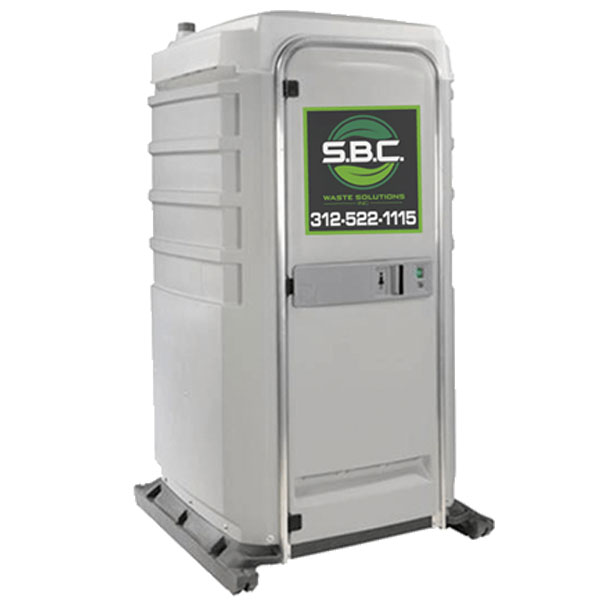
Standard portable restrooms offer durability and efficient servicing, making them the ideal choice for large-scale public events where high volume and practicality are the primary objectives. These units are designed to withstand heavy use and can be quickly serviced and maintained throughout the event. For outdoor festivals, community gatherings, and sporting events, standard units provide a cost-effective solution that meets essential sanitation needs without unnecessary embellishment.

Luxury Restroom Trailers for Upscale Occasions

Luxury trailers feature flushing toilets, running water, climate control, and elegant interior finishes, all of which are necessary for maintaining a high standard of comfort at weddings, corporate galas, and VIP events. These upscale facilities create an experience that aligns with the sophistication of the occasion, ensuring guests feel valued and respected.

Ensuring Full Accessibility with ADA-Compliant Units

Including ADA-compliant restrooms is both a legal and ethical requirement, and these units must be planned for in both quantity and strategic placement to serve all guests with dignity and respect. Accessible units should represent at least 5-10% of the total restroom count and must be positioned in locations that are easy to reach without navigating stairs, uneven terrain, or crowded pathways.

Strategic Placement: The Geography of Guest Comfort

Creating Multiple Sanitation Zones

Arranging units in several smaller, well-marked clusters rather than a single location disperses crowd traffic and reduces walking distances for guests, creating a more comfortable and efficient experience. Multiple sanitation zones prevent bottlenecks and ensure that restrooms remain accessible even during peak usage times. Clear signage directing guests to the nearest facilities further enhances convenience and reduces confusion, particularly at larger venues.

Ensuring Safe and Unobstructed Access

All units should be placed on stable, level ground in well-lit areas, with clear pathways that are free from operational or pedestrian obstructions. Uneven surfaces can pose safety hazards, particularly for guests with mobility challenges, while poor lighting can create discomfort and security concerns during evening events. Thoughtful placement prioritizes guest safety and accessibility, ensuring that sanitation facilities contribute to a positive overall experience rather than detracting from it.

Planning for Service Vehicle Access

Restroom clusters must be positioned where service vehicles can gain access for scheduled maintenance or emergency service without disrupting the event. Adequate space for maneuvering and parking should be considered during the initial layout planning. This foresight prevents logistical challenges during the event and ensures that any necessary servicing can be completed quickly and discreetly, maintaining the comfort and satisfaction of all attendees.

The Critical Role of Hand Hygiene

The Standard Ratio for Hand Washing Stations

The professional recommendation is to provide one hand washing station for every four portable restrooms, ensuring guests can maintain proper hygiene after use. Hand hygiene is a fundamental component of sanitation planning and directly impacts public health and guest confidence. Stations should be stocked with soap, clean water, and paper towels or air dryers, and should be positioned adjacent to restroom clusters for maximum convenience and utilization.

Compliance with Health Department Mandates

For any event where food is served, providing hand washing facilities is often a mandatory requirement by local health authorities and must be included in the planning process. Failure to comply with these regulations can result in fines, event shutdowns, or reputational damage. Understanding and adhering to local health codes demonstrates professionalism and a commitment to guest safety, protecting both the event and its organizers from potential liability.

The SBC Waste Solutions Commitment to Complete Sanitation

A thorough proposal from SBC Waste Solutions will always incorporate the necessary hand hygiene solutions, reflecting a commitment to a complete and responsible sanitation strategy. This comprehensive approach ensures that every aspect of guest comfort and public health is addressed, allowing planners to focus on other critical elements of event coordination.

Portable Restroom Service

Portable Restroom Service

Contingency Planning: Preparing for the Unexpected

Establishing an On-Site Point of Contact

Designating a specific on-site contact person who can communicate directly with the sanitation provider is essential for reporting issues or requesting additional service. This individual should be readily available throughout the event and equipped with the provider’s contact information for immediate communication. Having a clear chain of communication prevents delays in addressing problems and ensures that any sanitation concerns are resolved swiftly and professionally.

Arranging for an On-Call Service Agreement

An agreement for responsive support ensures a technician can be dispatched to handle unexpected maintenance needs or a sudden surge in attendance. On-call service provides peace of mind, particularly for large or high-profile events where any disruption could have significant consequences. This proactive measure demonstrates preparedness and a commitment to maintaining high standards regardless of unforeseen circumstances.

Maintaining a Reserve of Key Supplies

Arranging with the provider to have extra supplies, such as toilet paper and hand sanitizer, available on-site prevents shortages during peak usage periods. A well-stocked reserve ensures that facilities remain functional and hygienic throughout the event, even if initial estimates underestimate demand.

Vetting Your Provider: Choosing a Partner You Can Trust

Verifying a History of Reliability

Researching the provider’s reputation within the community, focusing on testimonials and case studies that demonstrate a track record of punctuality and dependability, is a critical step in the selection process. A reliable provider will have documented evidence of successful past events and satisfied clients. Taking the time to verify credentials and performance history protects planners from potential service failures and ensures a trustworthy partnership.

Confirming a Commitment to Cleanliness

Inquiring about the provider’s specific cleaning and sanitization protocols ensures their standards for hygiene align with the event’s requirements. Understanding how often units are serviced, what cleaning agents are used, and how maintenance is scheduled provides insight into the level of care and professionalism the provider brings to each event.

Ensuring Transparent Contracts and Pricing

Working with a provider that offers clear, detailed contracts with no hidden fees ensures full transparency and facilitates accurate budget management. Transparent agreements outline all services, timelines, and responsibilities, preventing misunderstandings and protecting both parties. A trustworthy provider will welcome questions and provide comprehensive documentation, demonstrating integrity and respect for the planning process.

The SBC Waste Solutions Partnership: Ensuring Flawless Execution

A Consultative Process for Precision Planning

The team at SBC Waste Solutions engages in a detailed consultation to confirm all variables are accounted for, providing a precise and reliable service plan. This collaborative approach ensures that every aspect of the event, from guest count to venue layout, is carefully considered and incorporated into the sanitation strategy.

Professional Delivery, Setup, and Removal

A professional partner manages all logistics, from on-time delivery and strategic setup to efficient, post-event removal, leaving the venue in its original condition. This end-to-end service relieves planners of operational burdens and ensures that sanitation facilities are installed correctly and removed promptly.

A Shared Commitment to Your Event’s Success

SBC Waste Solutions operates as an extension of the planning team, sharing a vested interest in the success of the event and the well-being of every guest. This partnership approach means that the provider is not simply fulfilling a service contract, but actively contributing to the overall quality and success of the occasion. Such dedication and collaboration create a foundation for exceptional events that guests will remember for all the right reasons.

Portable Restroom

Portable Restroom

Building Confidence Through Thoughtful Preparation

Successful portable restroom planning hinges on accurate needs assessment, appropriate unit selection, strategic placement, and partnership with a reliable provider. Each of these elements contributes to a seamless guest experience and reflects the care and professionalism that define exceptional event planning. By addressing sanitation with the same attention to detail given to catering, entertainment, and decor, planners elevate the entire event and demonstrate genuine consideration for every attendee.

To ensure your next event is supported by professional expertise and a commitment to service excellence, contact SBC Waste Solutions for a comprehensive consultation on your sanitation needs. With thoughtful preparation and a trusted partner by your side, every detail of your event can be managed with confidence and care.

(312) 522-1115
2401 Gardner Rd, Broadview, IL 60155
Portable Restroom Rental Service

How Many Porta Potties Do You Really Need? A Simple Calculator for Event Planners

How Many Porta Potties Do You Really Need? A Simple Calculator for Event Planners

Planning a successful event requires meticulous attention to detail, and a critical component of guest comfort is ensuring adequate restroom facilities. Whether organizing a corporate gathering, outdoor wedding, music festival, or community fair, the question inevitably arises: how many portable restrooms are truly necessary?
Determining the correct number of portable restrooms can seem complex, but it is a solvable equation. Understanding the foundational calculation and the key variables that influence restroom usage allows event planners to create a comfortable, hygienic environment for all attendees.
This guide provides a clear, structured framework to help event planners accurately calculate their portable restroom needs, ensuring a positive experience for all attendees. Key topics include the industry-standard formula for calculating porta potty requirements, understanding how variables like beverage service and event type influence the final count, and discovering how a professional partner like SBC Waste Solutions can assist in creating a comprehensive sanitation plan. With the right information and support, event planners can approach this essential aspect of event logistics with confidence and precision.

The Foundational Formula: The Industry Standard Calculator

The Basic Calculation: Guests and Hours

The industry standard provides a reliable starting point: one portable toilet for every 100 guests for a four-hour event. This ratio serves as the foundation for all restroom planning. As the duration of an event increases, so does the frequency of restroom use. For events lasting six hours, the recommendation adjusts to one unit per 75 guests. For full-day events of eight hours or longer, planners should consider one unit per 50 guests to maintain comfort and accessibility throughout the day.

Why This Ratio Works

The logic behind the standard calculation is designed to minimize wait times and ensure units remain serviceable throughout the event, promoting public health and guest satisfaction. Portable restrooms must accommodate natural usage patterns while preventing overcrowding or unsanitary conditions. By adhering to these ratios, event planners can create an environment where guests feel comfortable and cared for, reducing frustration and enhancing the overall event experience.

Establishing Your Initial Baseline Count

Using the estimated guest count and event length, planners can arrive at a preliminary number. For example, a six-hour event for 500 people would require approximately seven portable toilets as a baseline (500 guests ÷ 75 = 6.67, rounded up to 7). This initial figure provides the foundation upon which additional adjustments are made based on the specific characteristics of the event.

Portable Restrooms for Event

Portable Restrooms for Event

Factoring in Food and Beverage Consumption

The Impact of Alcohol Service

When alcohol is served, restroom usage increases substantially. The standard recommendation is to increase the baseline porta potty count by 15-20% to accommodate this predictable shift in guest behavior. Alcohol consumption leads to more frequent restroom visits, and failing to account for this can result in long lines, guest discomfort, and even health concerns.

General Food and Drink Considerations

Events with significant food and non-alcoholic beverage service also lead to more frequent restroom use. A general increase of 10-15% over the baseline is a responsible measure. Hydration stations, coffee bars, and full meal service all contribute to increased restroom demand, and thoughtful planners will anticipate these needs in advance.

Adjusting Your Count for Beverage-Heavy Events

If the baseline calculation suggested 10 units, adding alcohol service would mean planning for at least 12 units to ensure adequate coverage. This proactive adjustment demonstrates care for guest comfort and prevents the negative experience of overcrowded or under-maintained facilities during peak usage times.

The Importance of Hand Hygiene Stations

The Recommended Ratio: One Station per Four Toilets

The industry standard calls for one hand washing station or hand sanitizer station for every four portable restrooms to ensure guests can maintain proper hygiene. This ratio supports public health by providing convenient access to sanitation, reducing the spread of germs, and creating a more pleasant environment for all attendees.

When Hand Washing is a Requirement

Local health codes often mandate hand washing stations for any event where food is served, making this a non-negotiable part of the sanitation plan. Event planners should verify local regulations early in the planning process to ensure full compliance and avoid last-minute complications or potential fines.

How SBC Waste Solutions Integrates Hygiene Solutions

Professional providers like SBC Waste Solutions include hand hygiene stations as part of a comprehensive quote, ensuring a complete and compliant sanitation strategy. This integrated approach removes the burden of coordinating multiple vendors and provides peace of mind that all health and safety requirements are being met with care and expertise.

Accommodating All Guests: ADA and Family-Friendly Units

The Legal Requirement for ADA-Compliant Units

The Americans with Disabilities Act (ADA) requires accessible facilities at public events. The general rule is one ADA-compliant unit per 20 standard units, with at least one in each cluster of restrooms. These units are designed with wider doorways, interior grab bars, and ample space to accommodate wheelchairs and mobility devices, ensuring that all guests can attend with dignity and comfort.

The Value of Family-Friendly Accommodations

Including units with baby-changing stations demonstrates a high level of care and makes the event more accessible for families with young children. These thoughtful additions signal to attendees that their needs have been anticipated and valued, enhancing the overall perception of the event and its organizers.

Ensuring Inclusive Placement

Accessible units should be placed on firm, level ground along a main, accessible route, ensuring they are easy for guests with mobility challenges to reach and use. Careful site planning and placement reflect a commitment to inclusivity and respect for all attendees, regardless of physical ability.

Portable Potty for Event

Portable Potty for Event

Tailoring for Your Specific Event Type

High-End Events and VIP Sections

Luxury restroom trailers offer a higher level of comfort for weddings or VIP areas, providing climate control, running water, and elegant interiors that align with an upscale atmosphere. These premium options enhance the guest experience and reinforce the event’s sophistication and attention to detail.

Gender-Specific Considerations

For events with a higher ratio of female attendees, it is wise to increase the total unit count, as women tend to use restroom facilities more frequently. A 2:1 female-to-male ratio for units is a common recommendation that acknowledges and accommodates natural usage patterns, reducing wait times and improving overall comfort.

Construction Site vs. Public Event Needs

While event planning focuses on guest comfort and volume, construction site needs are dictated by OSHA standards, which are based on the number of employees on a shift. Understanding these distinctions helps planners apply the correct formulas and regulations to the appropriate contexts.

Logistical Considerations: Placement and Servicing

The Strategy of Clustering Units

Grouping portable restrooms in several smaller banks throughout the event grounds, rather than one large block, reduces walking distance and disperses traffic. This strategic placement improves accessibility, shortens wait times, and creates a more comfortable flow for guests moving throughout the venue.

Planning for Multi-Day Event Servicing

For weekend festivals or multi-day events, a servicing schedule must be arranged to pump, clean, and restock all units, ensuring they are fresh for each day. Consistent maintenance is essential to preserving hygiene standards and guest satisfaction over extended periods.

The Professional Service Commitment from SBC Waste Solutions

A reliable provider like SBC Waste Solutions works with planners to create a strategic placement map and a consistent service schedule, ensuring operational excellence. This partnership approach relieves event organizers of logistical burdens and provides confidence that sanitation needs are managed with professionalism and care.

The SBC Waste Solutions Commitment: A Partner in Planning

A Consultative Approach to Accurate Quoting

The team at SBC Waste Solutions partners with planners, asking detailed questions about the event to refine the calculator’s estimate and provide a precise, reliable quote. This collaborative process ensures that every unique aspect of the event is considered, resulting in a sanitation plan that truly fits the occasion.

Ensuring Quality and Reliability

Beyond the quantity, the quality of the units is paramount. A professional service guarantees delivery of clean, sanitized, and fully stocked portable restrooms. This commitment to excellence protects the health and comfort of guests and reflects positively on the event and its organizers.

Providing Confidence and Peace of Mind

By working with a trusted partner, event planners can be confident that this essential aspect of their event is managed with professionalism and care. The right sanitation provider becomes an extension of the planning team, offering expertise, reliability, and support every step of the way.

Portable Potty Service

Portable Potty Service

Creating Comfort Through Thoughtful Planning

Calculating the correct number of portable restrooms involves starting with a baseline formula and adjusting for key factors like beverage service, event type, and accessibility needs. Each variable contributes to a more accurate and compassionate understanding of guest requirements, ensuring that no detail is overlooked.
To remove any uncertainty from planning, contact SBC Waste Solutions. The experienced team is ready to provide a clear consultation and a precise quote to ensure that event sanitation needs are fully met with dependable service. Thoughtful preparation in this area allows event planners to focus on creating memorable experiences, knowing that guest comfort and care are in capable hands.

(312) 522-1115
2401 Gardner Rd, Broadview, IL 60155