
Remote Job Sites in Chicago? Portable Restroom Solutions That Keep Crews Covered
Remote Job Sites in Chicago? Portable Restroom Solutions That Keep Crews Covered
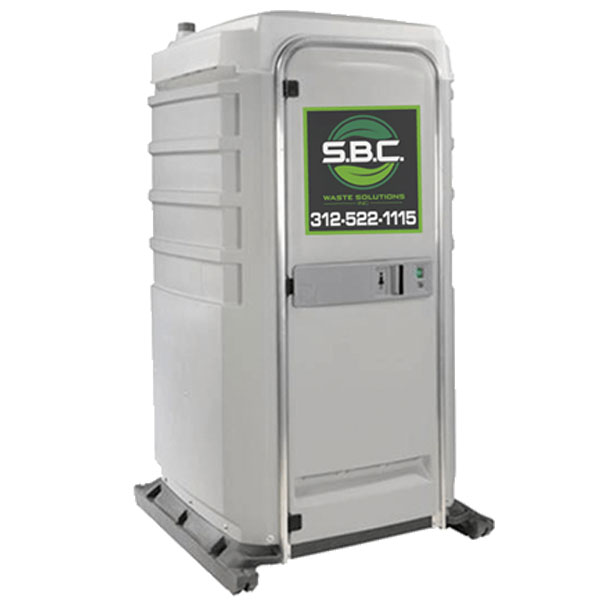
Walk onto any well-run construction site in Chicago, and you’ll notice something beyond the cranes and concrete: a workforce that’s organized, productive, and taken care of. Sanitation might not be the first thing that comes to mind when planning a project, but it’s one of the most consequential. Portable restroom planning shapes crew morale, ensures regulatory compliance, and keeps your project timeline intact.
Whether you’re overseeing a high-rise build in the Loop or a sprawling infrastructure project on Chicago’s exurban edges, the right portable restroom setup is non-negotiable. Skip it or underprepare, and you’ll face OSHA violations, frustrated workers, and costly delays. Get it right, and you’ll run a tighter, more professional site from day one.
SBC Waste Solutions has spent years helping Chicago-area contractors navigate the complexities of job site sanitation. This guide covers everything you need to know—from local regulations to unit selection and strategic placement—so your crew stays covered no matter the project.
Understanding Chicago’s Unique Construction Challenges
Chicago construction sites don’t fit a single mold. A downtown high-rise presents a completely different set of logistical challenges than a remote site on the city’s outskirts. Understanding those differences is the foundation of smart restroom planning.
Urban Density and High-Rise Projects
Space is at a premium in Chicago’s urban core. On dense city blocks, portable restrooms need to be positioned carefully to avoid obstructing traffic, pedestrian walkways, and emergency access routes. High-rise projects add vertical complexity—crews working on upper floors need accessible units nearby, not just at ground level. Poor planning here forces workers to lose significant time traveling to and from facilities, which chips away at productivity fast.
Remote Exurban Sites
On the opposite end of the spectrum, projects beyond the city’s infrastructure grid face a different problem: there’s often no nearby access to utilities or existing facilities at all. Restroom solutions for these sites need to be fully self-contained, robust, and serviced reliably on a predictable schedule.
Weather Extremes
Chicago winters are punishing. Sub-zero temperatures can freeze water lines and make standard portable units uncomfortable or unusable without proper winterization. Summer heat, on the other hand, demands more frequent servicing to maintain hygiene. A provider that understands Chicago’s seasonal realities—not just standard industry practices—makes a real difference on the ground.

Portable Restroom Solution
Local Regulations: Staying Compliant with Chicago and OSHA Standards
Compliance on a construction site is never optional, and portable restroom regulations are no exception. Both federal OSHA standards and Chicago-specific requirements set clear expectations that contractors must meet.
OSHA Requirements
OSHA mandates that construction sites provide a minimum of one toilet facility per 20 workers for sites where fewer than 200 employees are present. For larger crews, the ratio adjusts accordingly. Beyond just numbers, facilities must be maintained in a sanitary condition and located within a reasonable distance from the work area.
Chicago-Specific Regulations
Chicago adds another layer of requirements on top of OSHA’s federal baseline. Depending on your site location and the nature of the project, permits may be required for restroom placement, particularly in public rights-of-way or areas subject to city zoning rules. Working with a provider that understands the local regulatory landscape saves you from unexpected fines and time-consuming permit complications.
SBC Waste Solutions stays current on both federal and municipal requirements, ensuring that every unit placed on your site meets the applicable standards. It’s one less thing for your project manager to worry about.
Choosing the Right Portable Restroom Units for Your Site
Not all portable restrooms are created equal. The right unit depends on your crew size, project type, site accessibility, and client expectations.
Standard Units
The workhorse of construction site sanitation, standard portable restrooms are cost-effective and suitable for most general labor crews. They’re straightforward to deliver, position, and service, making them the default choice for most mid-size projects.
ADA-Compliant Units
Federal law requires that job sites accommodate workers with disabilities. ADA-compliant portable restrooms feature wider interiors, handrails, and ground-level access to meet these requirements. Including them on your site isn’t just a legal obligation—it signals a commitment to an inclusive, professional work environment.
High-Capacity Units for Large Crews
For projects with large workforces or concentrated shift changes, high-capacity units or restroom trailers with multiple stalls significantly reduce wait times and maintain hygiene under heavy use. Understocking units relative to your crew size is one of the most common—and avoidable—mistakes on busy sites.
Luxury Restroom Trailers
Some projects demand a higher standard. Client-facing builds, upscale residential developments, or sites with frequent stakeholder visits benefit from luxury restroom trailers. These climate-controlled units feature flushing toilets, running water, and interior lighting—a far cry from the standard unit, and a visible sign that your operation runs with professionalism.
SBC Waste Solutions walks you through your options based on the specifics of your site, ensuring you’re not over- or under-equipped for the job at hand.

Portable Restroom Service Provider
Strategic Placement: Maximizing Accessibility and Efficiency
Where you place your restrooms matters nearly as much as which units you choose. Poor placement creates bottlenecks, safety hazards, and unnecessary worker frustration.
General Placement Guidelines
As a rule, portable restrooms should be within a 200-foot walking distance from where workers are active. They should be positioned on stable, level ground—not in areas prone to mud, flooding, or vehicle traffic. Keeping units upwind of the primary work area is a simple but often overlooked quality-of-life improvement for the crew.
Urban vs. Remote Considerations
On urban sites, placement must account for pedestrian access, neighboring businesses, and city permit requirements. Service vehicles need a clear, designated path to access and pump units without disrupting site operations.
On remote sites, accessibility for service trucks becomes the primary concern. Units should be placed where maintenance crews can reach them without navigating rough terrain or tight access points that would compromise the service schedule.
SBC Waste Solutions collaborates directly with your site supervisors during the planning phase, helping identify the optimal placement strategy before the first unit is delivered.
Reliability Matters: Partnering with a Trusted Provider
Portable restrooms only do their job when they’re clean, stocked, and functional. That means the quality of your provider’s service schedule is just as important as the equipment itself.
A reliable provider delivers units on time, services them on a consistent schedule, and responds quickly when something goes wrong. On a busy Chicago construction site, a unit that’s out of service for even a day creates real problems—worker complaints, potential compliance issues, and a reflection on how the site is managed.
SBC Waste Solutions has built its reputation on dependable, responsive service. From the initial delivery to routine maintenance and emergency support, the goal is simple: your crew should never have to think twice about whether facilities are available and ready to use.
The Cost of Getting It Wrong: Avoiding Common Pitfalls
Inadequate restroom planning carries consequences that extend well beyond inconvenience.
OSHA Violations and Fines
Failing to meet OSHA’s restroom requirements can result in significant fines and, in serious cases, work stoppages. A single violation can cost more than an entire season’s worth of proper portable restroom service. Inspections are not always predictable, and being caught underprepared is an expensive lesson.
Worker Dissatisfaction and Reduced Productivity
It’s a straightforward equation: workers who don’t have access to clean, convenient facilities take longer breaks, leave the site more frequently, and carry a low-grade frustration that compounds over time. High crew turnover, poor morale, and declining productivity can often be traced back to basic job site conditions—sanitation included.
Project Delays and Cost Overruns
When compliance issues, crew dissatisfaction, or health and safety concerns emerge mid-project, the downstream effects on your schedule and budget can be substantial. Addressing sanitation properly at the outset is a fraction of the cost of fixing problems after they’ve spiraled.
SBC Waste Solutions helps you anticipate these risks during the planning phase, not after something goes wrong.

Portable Restroom Service
Plan It Right From the Start
Portable restroom planning on Chicago construction sites is a detail that carries real weight. The city’s urban complexity, extreme weather patterns, and layered regulatory environment demand a provider that understands the local landscape—not just the industry standard.
From selecting the right units and placing them strategically to staying fully compliant with OSHA and Chicago-specific requirements, every decision you make at the planning stage pays dividends throughout the project.
SBC Waste Solutions is ready to help. Contact the team today for a consultation or quote, and get your next Chicago job site set up for success from day one.
https://www.google.com/maps?cid=4180240075447051620