Posts

Porta Potty Rentals Service Provider

How Portable Restrooms Improve Worker Productivity and Job Site Morale

How Portable Restrooms Improve Worker Productivity and Job Site Morale

Construction sites, outdoor events, and remote work locations all share a common challenge: providing adequate facilities for workers. While portable restrooms might seem like a minor detail in the grand scheme of project planning, their impact on worker productivity and morale is significant. SBC Waste understands that when workers have access to clean, convenient, and well-maintained restroom facilities, they perform better, stay healthier, and maintain a more positive attitude toward their work.

The connection between restroom quality and job performance isn’t just anecdotal. Studies have shown that workplace conditions directly influence employee satisfaction and output. When basic needs are met, workers can focus on the tasks at hand rather than worrying about where they’ll find their next restroom break. For project managers and site supervisors, investing in quality portable restroom solutions isn’t just about compliance—it’s about creating an environment where workers can do their best work.

The Direct Impact of Restroom Facilities on Worker Output

Providing clean, nearby restroom facilities is essential for productivity, morale, and worker retention. When employees have to travel long distances to use restrooms, valuable time is lost, disrupting workflow. Strategically placed portable restrooms keep workers on-site, reduce downtime, and ensure continuity, especially during time-sensitive projects. Beyond saving time, accessible and quality facilities show employees that their comfort and well-being matter, boosting morale and engagement. A well-managed job site with proper amenities fosters a positive work culture, higher standards, and greater pride in work.

Portable Restrooms

Portable Restrooms

Health and Hygiene: Protecting Your Workforce

Proper sanitation facilities are essential for maintaining worker health and preventing illness, particularly on construction sites and outdoor job locations. Access to clean restrooms and handwashing stations reduces the spread of germs and bacteria, especially during flu season or outbreaks of infectious diseases. Poor sanitation can lead to increased absenteeism, disrupt project timelines, and raise costs due to illness spreading among workers.

Well-maintained portable restrooms with features like hand sanitizer dispensers, handwashing stations, and proper ventilation create a hygienic environment. Regular servicing ensures these facilities remain clean and stocked, minimizing health risks. Professional providers like SBC Waste can customize maintenance schedules to fit the needs of each job site, whether daily, weekly, or on-demand. Prioritizing sanitation helps safeguard workers’ health and keeps projects on track.

Regulations and Compliance: Meeting Legal Requirements

OSHA sets clear rules for restroom facilities on construction sites to protect worker health and safety. Employers must provide enough accessible, sanitary toilets based on workforce size, with specific minimums (e.g., one for 20 or fewer workers). Beyond federal standards, local and state regulations may add further requirements. Non-compliance can lead to significant fines, work stoppages, and legal issues. Partnering with an experienced portable restroom provider ensures compliance with all applicable standards.

Choosing the Right Portable Restroom: Key Considerations

Selecting appropriate portable restroom facilities requires careful evaluation of several factors. The wrong choice can lead to insufficient capacity, worker dissatisfaction, or compliance issues. The right choice enhances site operations and worker satisfaction.

Number of Units

Calculate the required number of units based on workforce size and shift length. OSHA provides baseline requirements, but practical considerations may necessitate additional facilities. Longer shifts, limited break times, or projects in extreme temperatures may increase restroom usage frequency. It’s better to have slightly more capacity than needed rather than face shortages during peak usage times.

Strategic Placement

Location matters significantly. Portable restrooms should be positioned to provide convenient access without disrupting workflow or creating safety hazards. Consider placing units at multiple locations on large sites rather than clustering them in one area. Ensure that the placement allows for easy servicing by the provider’s trucks while remaining accessible to workers throughout the day.

Units should be situated on level ground in well-lit areas. Avoid placing them near heavy equipment operation zones or in areas where they might obstruct vehicle traffic. During site planning, designate specific restroom locations that balance convenience, safety, and practical service access.

Additional Features

Standard portable restrooms meet basic needs, but enhanced options can significantly improve worker satisfaction. Consider units with:

  • Handwashing stations with soap and paper towels
  • Hand sanitizer dispensers
  • Interior lighting for early morning or evening work
  • Ventilation systems that reduce odors
  • ADA-compliant units for accessibility
  • Climate control features for extreme weather conditions

The specific features you choose should reflect the nature of your project, the work environment, and your workforce needs. Projects in hot climates benefit from units with ventilation or cooling features. Sites with diverse workforces require ADA-accessible options.

Service Frequency

Determine how often units need servicing based on usage levels. High-traffic sites require more frequent maintenance to ensure cleanliness and adequate supplies. Discuss service schedules with your provider and adjust as needed based on actual usage patterns. Reliable service maintains the quality of facilities throughout the project duration.

Portable Restroom Facility

Portable Restroom Facility

SBC Waste Solutions: Meeting Your Portable Restroom Needs

SBC Waste offers comprehensive portable restroom solutions designed to support worker productivity and job site morale. With a range of options from standard units to luxury restroom trailers, SBC Waste can accommodate projects of any size or scope.

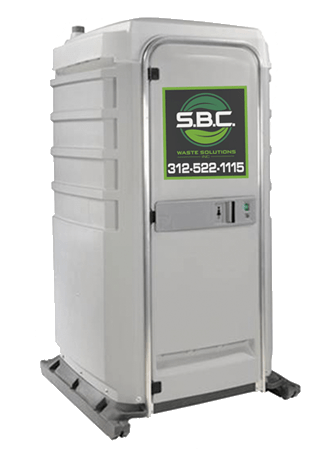
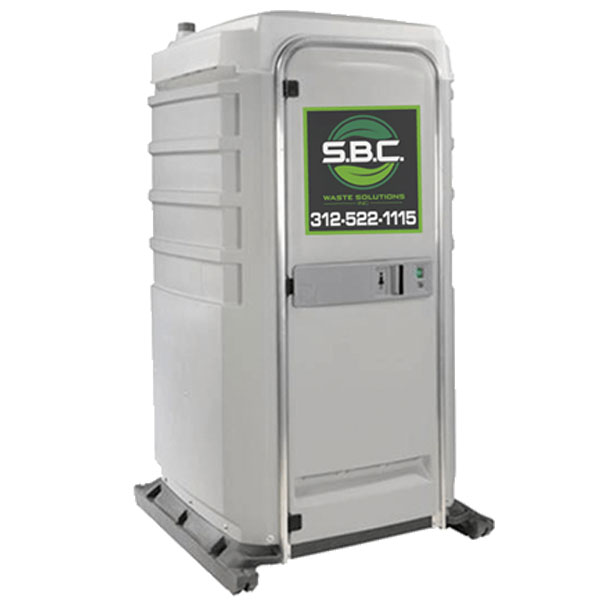
Their standard portable restrooms provide reliable, clean facilities for construction sites, outdoor events, and temporary work locations. These units come equipped with necessary features and receive regular service to maintain sanitary conditions. For projects requiring enhanced amenities, SBC Waste offers premium units with handwashing stations, improved ventilation, and additional space.

For larger projects or situations where worker comfort is a priority, SBC Waste’s luxury restroom trailers provide an elevated experience. These trailers feature multiple stalls, climate control, running water, and finishes that create a more comfortable environment. They’re particularly appropriate for long-term projects or situations where standard facilities might not adequately serve workforce needs.

SBC Waste takes a consultative approach to service, working with clients to determine the optimal number of units, placement strategies, and service frequencies for each unique situation. Their experienced team understands job site requirements and can recommend solutions that meet both regulatory standards and practical needs.

Service reliability sets SBC Waste apart. Consistent maintenance schedules ensure that facilities remain clean and fully operational throughout your project. Their responsive customer service addresses issues quickly, minimizing any disruption to site operations.

Environmental Considerations: Sustainable Practices

Environmental responsibility has become increasingly important in all industries, and portable restroom services are no exception. Modern providers like SBC Waste incorporate eco-friendly practices that reduce environmental impact while maintaining service quality.

Many portable restrooms now use biodegradable chemicals and cleaning products that break down naturally without harming ecosystems. These products effectively control odors and maintain sanitation while minimizing environmental footprint. Water-efficient designs reduce consumption, and some units feature waterless or low-flow systems that conserve this valuable resource.

Waste disposal practices have also evolved. Responsible providers follow strict protocols for waste treatment and disposal, ensuring that materials are processed in compliance with environmental regulations. Some companies participate in recycling programs and take additional steps to minimize their overall environmental impact.

For projects with specific sustainability goals or green building certifications, discuss environmental considerations with your portable restroom provider. They can recommend options and practices that align with your environmental objectives while still meeting all functional requirements.

Cost-Effectiveness: The Long-Term Value of Quality Facilities

While budget considerations influence every project decision, portable restrooms represent an investment rather than just an expense. Quality facilities generate returns through improved productivity, reduced absenteeism, better worker retention, and compliance with regulations that protect against costly penalties.

Consider the true cost of inadequate facilities. Lost productivity from workers traveling long distances to restrooms adds up quickly. Illness-related absenteeism can derail project schedules and require expensive temporary labor. Regulatory violations result in fines and potential work stoppages. Worker dissatisfaction may lead to higher turnover, increasing recruitment and training costs.

Quality portable restrooms from reliable providers like SBC Waste help avoid these hidden costs. The upfront investment in appropriate facilities typically represents a small percentage of overall project costs, yet the impact on operations can be substantial. Better-maintained facilities require fewer emergency service calls and experience fewer issues that might disrupt site activities.

When evaluating costs, consider the total value proposition rather than just the rental rate. Factors like service reliability, maintenance quality, and provider responsiveness affect the actual cost of ownership. A slightly more expensive option from a dependable provider often proves more economical than a cheaper alternative that comes with service inconsistencies or maintenance issues.
Portable Restroom Service

Portable Restroom Service

Creating a Better Work Environment Through Smart Planning

Portable restrooms are more than just a requirement; they are critical infrastructure for job site success, directly boosting worker productivity, health, and morale. Clean, convenient facilities allow workers to focus on tasks without distraction.

SBC Waste offers comprehensive portable restroom solutions, from basic units to luxury trailers, tailored to diverse project needs. Their professional service and regulatory expertise ensure positive, productive work environments.

Investing in quality facilities shows respect for your workforce and commitment to operational excellence. This leads to improved productivity, reduced absences, and a more valued and motivated team.

Choose SBC Waste for your next project to experience how the right portable restroom solutions can significantly enhance job site operations and worker satisfaction.

(312) 522-1115
2401 Gardner Rd, Broadview, IL 60155
Portable Restroom Service

The Role of Portable Toilets in Disaster Relief and Emergency Response

The Role of Portable Toilets in Disaster Relief and Emergency Response

When a natural disaster strikes, the immediate focus is on rescue, medical aid, food, and shelter. These are the cornerstones of survival. However, there’s another critical component that is often overlooked in the initial chaos but becomes increasingly vital as days turn into weeks: sanitation. Without proper sanitation facilities, a disaster zone can quickly become a breeding ground for disease, compounding the initial crisis with a secondary public health emergency.

This is where portable toilets play a crucial, life-saving role. They are not just a matter of convenience; they are a fundamental part of maintaining public health, dignity, and order in the most challenging circumstances. In this guide, we will explore the indispensable role of portable sanitation in emergency response, the logistical complexities involved, and how companies like SBC Waste are at the forefront of providing these essential services when they are needed most. Understanding this aspect of disaster relief is key to appreciating the full scope of what it takes to help a community recover and rebuild.

The Critical Importance of Sanitation in Emergencies

After a disaster like a hurricane, earthquake, or flood, public infrastructure is often severely compromised. Water and sewage systems can be damaged or completely destroyed, leaving entire communities without access to functional toilets and clean water. This creates a dangerous environment where waterborne diseases can thrive.

Preventing a Public Health Crisis

The lack of proper sanitation facilities leads to open defecation, which contaminates water sources, soil, and food supplies. This contamination can trigger outbreaks of serious diseases, including:

  • Cholera: An acute diarrheal illness caused by infection of the intestine with the bacterium Vibrio cholerae. It can be fatal within hours if left untreated.
  • Typhoid Fever: A life-threatening illness caused by the bacterium Salmonella Typhi, spread through contaminated food and water.
  • Dysentery: An intestinal inflammation, especially in the colon, that can lead to severe diarrhea with blood and mucus.
  • Hepatitis A: A highly contagious liver infection caused by the hepatitis A virus, which spreads through ingestion of contaminated food and water.

According to the World Health Organization (WHO), at least 2 billion people use a drinking water source contaminated with feces globally. In a disaster scenario, this number skyrockets, making the deployment of sanitation solutions an immediate priority. Portable toilets provide a safe and hygienic alternative, effectively containing human waste and preventing it from contaminating the environment. This simple intervention is one of the most effective tools for preventing a secondary health crisis in the wake of a disaster.

Upholding Human Dignity

Beyond the clear health benefits, access to private and secure toilet facilities is a matter of human dignity. In the chaos and vulnerability that follow a disaster, having a safe place for personal hygiene can provide a small but significant sense of normalcy and security. This is particularly important for women, children, and the elderly, who are often at greater risk in crowded and exposed emergency shelters. Portable toilets offer the privacy that helps preserve dignity and reduce stress during an already traumatic experience.

Portable Toilets Service Provider

Portable Toilets Service Provider

SBC Waste’s Commitment to Disaster Relief

When disaster strikes, a rapid and organized response is essential. SBC Waste has built a reputation as a reliable partner for emergency management agencies, NGOs, and local governments, providing critical sanitation infrastructure when it’s needed most. Our commitment to disaster relief is rooted in a deep understanding of the logistical and human challenges that emergencies present.

A History of Service

For years, SBC Waste has been on the ground in the aftermath of various emergencies, from hurricanes along the Gulf Coast to floods in the Midwest. Our experience has taught us that every disaster is unique, requiring a flexible and tailored approach. We have developed robust protocols and a dedicated rapid-response team that can be mobilized at a moment’s notice. Our mission extends beyond simply delivering portable toilets; we aim to be an integral part of the recovery effort, providing solutions that are effective, reliable, and considerate of the affected population’s needs.

Our team works closely with emergency coordinators to assess the situation, determine the number and type of units required, and plan for strategic placement to ensure accessibility for all. This collaborative approach ensures that sanitation services are integrated seamlessly into the broader relief operation.

Types of Portable Toilets for Disaster Relief

Not all emergency situations are the same, and neither are the sanitation needs. SBC Waste offers a range of portable toilet models designed to meet the specific requirements of different disaster scenarios.

Standard Portable Toilets

The workhorse of any disaster relief operation, the standard portable toilet is durable, easy to transport, and can be deployed in large numbers quickly. These units are self-contained and include a toilet, a urinal, and often a hand sanitizer dispenser. They are ideal for serving large populations in temporary shelters, base camps for first responders, and community gathering points. Their robust construction allows them to withstand harsh conditions, making them a reliable choice for any emergency.

ADA-Compliant Portable Toilets

Ensuring accessibility for everyone is a critical aspect of equitable disaster response. ADA-compliant portable toilets are designed to accommodate individuals with disabilities and those who use wheelchairs. These units are more spacious than standard models, featuring a flat-floor design for easy wheelchair entry, interior grab bars for support, and a wider door. Deploying ADA-compliant units is not just a matter of compliance; it’s a moral imperative to ensure that all members of the community, regardless of their physical abilities, have safe and dignified access to sanitation.

High-Rise Portable Toilets

In urban disasters where buildings may still be structurally sound but without functioning plumbing, high-rise portable toilets are an essential solution. These units are designed with a smaller footprint and can be lifted by crane or elevator to upper floors of buildings. This makes them invaluable for construction and cleanup crews working in high-rise buildings and for residents who may be sheltering in place in multi-story apartment complexes.

Toilet Trailers and Shower Trailers

For longer-term relief efforts or for base camps housing a large number of responders and volunteers, toilet and shower trailers offer a higher level of comfort and convenience. These trailers feature multiple private stalls, flushing toilets, running water sinks, and climate control. Shower trailers provide a much-needed opportunity for individuals to maintain personal hygiene, which is crucial for both physical health and morale during a prolonged response effort.

Portable Toilets Service

Portable Toilets Service

Logistical Challenges and Solutions

Deploying and maintaining a fleet of portable toilets service in a disaster zone is a complex logistical undertaking. Challenges can range from impassable roads and communication breakdowns to securing a sufficient supply of units and servicing them regularly.

Overcoming Transportation Hurdles

In the immediate aftermath of a disaster, transportation infrastructure is often severely disrupted. Roads may be flooded, blocked by debris, or completely destroyed. SBC Waste’s logistics team is experienced in navigating these challenges. We use a combination of strategic planning, real-time information from on-the-ground partners, and a versatile fleet of delivery vehicles to get our units where they need to go. Pre-positioning assets in disaster-prone regions before a predicted event, like a hurricane, is another key strategy that allows for a more rapid post-event deployment.

Ensuring Consistent Maintenance and Service

A portable toilet is only effective if it is regularly cleaned and serviced. In a high-use emergency setting, units may need to be serviced daily or even more frequently. This involves pumping out the waste holding tank, cleaning and sanitizing the interior, restocking supplies like toilet paper and hand sanitizer, and performing any necessary repairs.

SBC Waste operates a fleet of service trucks and employs trained technicians who are dedicated to this task. We establish a regular service schedule in coordination with site managers to ensure that all units remain clean, hygienic, and fully operational throughout the relief effort. Proper waste disposal is also a critical component, and we adhere to all local and federal regulations for the safe and environmentally responsible disposal of waste.

Scaling the Response

The scale of a disaster can be immense, requiring hundreds or even thousands of portable toilets. SBC Waste maintains a large inventory of units and has established mutual aid agreements with other providers in the industry. This network allows us to quickly scale our response and source additional units when demand exceeds our immediate capacity, ensuring that no community is left without essential sanitation services.

The Future of Emergency Sanitation

Innovation is constantly driving improvements in portable sanitation technology, with a focus on creating solutions that are more sustainable, efficient, and user-friendly for disaster response. Some of the advancements on the horizon include:

  • Solar-Powered Units: Portable toilets equipped with solar panels can power interior lighting, ventilation fans, and even charge small electronic devices, providing added safety and convenience.
  • Water-Saving Technologies: New designs for flushing toilets and handwashing stations are being developed to minimize water usage, a critical consideration in areas where clean water is scarce.
  • Waste-to-Energy Systems: Advanced systems are being explored that can convert human waste into energy, such as biogas. While still in the early stages for portable applications, this technology holds promise for creating a closed-loop, sustainable sanitation solution for long-term recovery camps.
  • Smart Monitoring: IoT sensors can be integrated into portable toilets to monitor usage levels, tank capacity, and supply status in real-time. This data allows for more efficient service routing and ensures that units are serviced exactly when needed.

SBC Waste is committed to staying at the forefront of these innovations, continually seeking out new technologies and methods to improve the effectiveness and efficiency of our disaster relief services.

Portable Toilets

Portable Toilets

A Foundation for Recovery

In the complex and challenging world of disaster relief, the reliable portable toilet service is a quiet hero. It is a critical tool for preventing disease, upholding dignity, and laying the groundwork for a community’s recovery. The availability of safe and hygienic sanitation facilities is a fundamental human right, and it becomes even more pronounced in times of crisis.

SBC Waste is proud to play a vital role in emergency response efforts. Our experience, dedication, and comprehensive range of solutions enable us to provide rapid and reliable sanitation services when they are needed most. By managing this essential aspect of disaster relief, we help first responders, relief workers, and affected communities focus on the immediate tasks of rescue, healing, and rebuilding. Because when the basics are covered, hope has a stronger foundation on which to grow.

(312) 522-1115
2401 Gardner Rd, Broadview, IL 60155