
Porta Potty Rental Near Me: Clean & Reliable Solutions for Every Occasion
Porta Potty Rental Near Me: Clean & Reliable Solutions for Every Occasion
When you’re planning an outdoor event, managing a construction site, or hosting a gathering, one essential consideration often gets overlooked until the last minute: restroom facilities. Finding a reliable porta potty rental service doesn’t have to be stressful or complicated. SBC Waste Solutions brings you clean, well-maintained portable restrooms that ensure your guests and workers have access to proper sanitation facilities when they need them most.
Whether you’re organizing a wedding reception, managing a job site, or coordinating a community festival, having adequate restroom facilities is crucial for comfort and compliance. The right portable restroom rental service makes all the difference between a successful event and one that leaves people talking for all the wrong reasons.
Understanding Your Portable Restroom Needs
Different events and situations call for different types of portable restroom solutions. Construction sites typically require basic, durable units that can withstand heavy use and harsh conditions. Wedding receptions and upscale events benefit from luxury portable restrooms that offer amenities like running water, mirrors, and climate control. Community festivals and sporting events often need a combination of standard and ADA-compliant units to accommodate diverse crowds.
At SBC Waste Solutions, we understand that no two situations are exactly alike. Our team works closely with clients to assess their specific needs, considering factors like the number of people, duration of the event, and the level of comfort desired. This personalized approach ensures you get exactly what you need without paying for unnecessary features or falling short on essential amenities.
The location of your event also plays a crucial role in determining the right portable restroom solution. Remote construction sites may require self-contained units with larger waste tanks, while urban events might benefit from units that can be easily serviced throughout the day. We take all these factors into account when recommending the best options for your specific situation.

Porta Potty Rental Service
SBC Waste Solutions: Your Trusted Local Partner
As a family-owned, woman-led business serving the Chicago area, SBC Waste Solutions brings a personal touch to portable restroom rentals that larger corporations simply can’t match. Our commitment to cleanliness and reliability stems from understanding that these facilities reflect directly on your event or project. When you choose us, you’re not just renting equipment, you’re partnering with a team that genuinely cares about your success.
Our local presence means we understand the unique challenges and requirements of events and projects throughout Chicagoland. We know which permits might be required, understand local regulations, and can respond quickly when you need last-minute changes or additional services. This local expertise, combined with our commitment to exceptional customer service, sets us apart from national chains that treat every client like just another number.
What makes SBC Waste Solutions unique is our attention to detail when it comes to maintenance and cleanliness. Each portable restroom is thoroughly cleaned and sanitized before delivery, and we provide regular maintenance services for longer-term rentals. Our fleet is well-maintained and modern, ensuring reliable performance throughout your rental period.
Types of Porta Potties We Offer
Standard Portable Restrooms
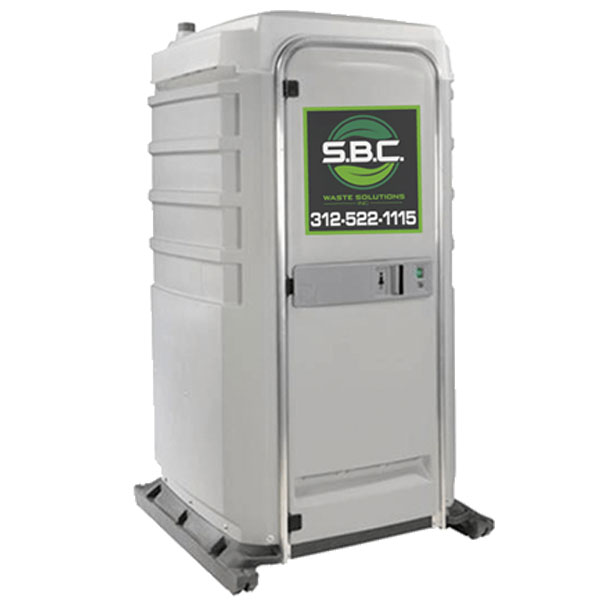
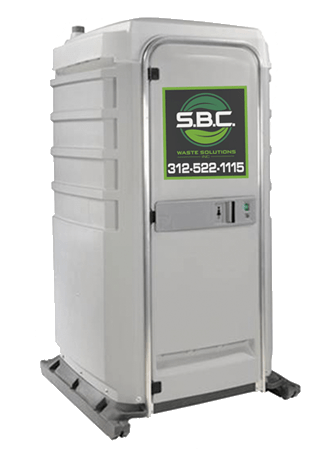
Our standard units provide essential restroom facilities with all the basics you need. These units feature proper ventilation systems, secure locking mechanisms, and adequate lighting for daytime use. They come equipped with toilet paper dispensers and hand sanitizer stations, ensuring users have access to necessary hygiene supplies. These units are perfect for construction sites, outdoor festivals, and casual gatherings where functionality is the primary concern.
ADA-Compliant Units
Accessibility matters, and our ADA-compliant portable restrooms ensure everyone can use the facilities comfortably and safely. These spacious units feature wider doors, grab bars, and interior layouts designed to accommodate wheelchairs and mobility devices. They meet all federal accessibility requirements while maintaining the same high standards of cleanliness and functionality as our standard units.
Deluxe Portable Restrooms
For events where comfort and appearance matter, our deluxe units offer enhanced amenities that create a more pleasant experience. These units often feature hand washing stations with running water, mirrors, and improved interior finishes. Some deluxe models include features like foot pumps for hands-free operation and enhanced ventilation systems for improved comfort.
The deluxe options are particularly popular for weddings, corporate events, and upscale gatherings where you want to provide guests with facilities that match the quality of your event. Despite the enhanced features, these units maintain the same reliability and ease of placement as our standard options.

Porta Potty Rental Service Provider
Planning Your Rental: Getting the Details Right
Determining how many portable restrooms you need depends on several factors, including the number of people attending, the duration of your event, and whether food and beverages will be served. As a general guideline, you’ll want one unit for every 75-100 people for a four-hour event. For longer events or those serving alcohol, you may need additional units to ensure adequate capacity throughout the day.
The delivery and setup process is straightforward when you work with SBC Waste Solutions. Our experienced team handles all the logistics, from obtaining necessary permits to ensuring units are placed in optimal locations. We work with you to identify the best placement spots that provide convenient access while maintaining the aesthetic appeal of your event space.
For construction sites, we consider factors like site access, proximity to work areas, and safety requirements. Our team can navigate challenging terrain and tight spaces to ensure your workers have convenient access to clean facilities throughout their workday. We also offer flexible scheduling to accommodate the changing needs of construction projects.
Timing is crucial for successful porta-potty rentals. We recommend booking your units at least two weeks in advance, especially during busy seasons like summer wedding months or peak construction periods. This advance planning ensures availability and allows time for any special arrangements or customizations your event might require.
Making Your Event a Success with SBC
When you choose SBC Waste Solutions for your portable restroom needs, you’re investing in peace of mind. Our reliable delivery, thorough maintenance, and responsive customer service ensure your facilities are always ready when you need them. We understand that restroom facilities might not be the most exciting part of event planning, but we know they’re essential for your success.
Our commitment extends beyond just providing equipment. We offer guidance on placement, quantity, and type selection to ensure you get exactly what your event needs. Our team is available to answer questions, address concerns, and make adjustments as needed throughout your rental period.
Ready to secure clean, reliable portable restrooms for your next event or project? Contact SBC Waste Solutions today to discuss your specific needs and get a customized quote. Our friendly team is standing by to help make your planning process as smooth and stress-free as possible. Let us handle the details so you can focus on what matters most—making your event or project a complete success.
https://www.google.com/maps?cid=4180240075447051620