
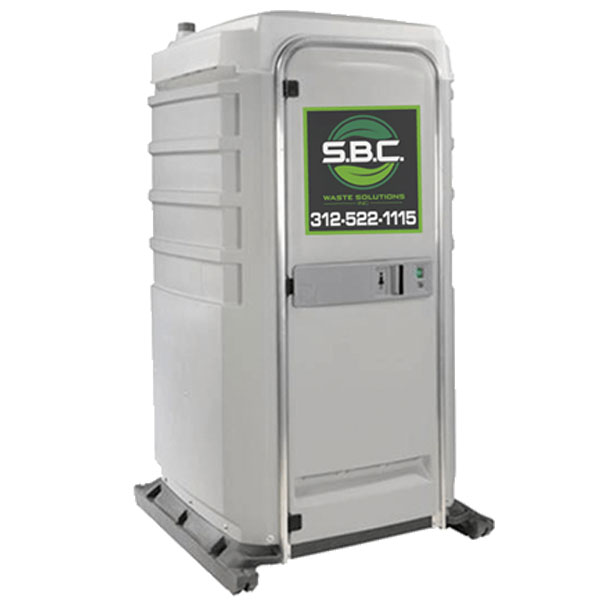
Reducing Water Waste with Modern Portable Restroom Technology
/0 Comments/in Porta Potty /by collaborateprosReducing Water Waste with Modern Portable Restroom Technology
Water is life’s most precious resource, sustaining ecosystems, nourishing communities, and supporting every living thing on this planet. Yet the choices made each day—even those that seem as small as selecting temporary sanitation for an event or construction site—can create ripples of positive environmental impact. Traditional restroom facilities consume vast amounts of water with every flush, but modern portable restroom technology offers a compassionate, eco-friendly alternative that honors our shared responsibility to protect the planet.
This guide explores how innovative designs and thoughtful practices can drastically reduce water waste. Whether planning a community festival, managing a construction project, or hosting an outdoor gathering, understanding these solutions empowers informed, sustainable decisions. The future of sanitation lies not in excessive consumption, but in efficiency, care, and respect for the natural world.
Understanding the Global Water Crisis and Our Role
The Reality of Freshwater Scarcity
Only 3% of the Earth’s water is freshwater, and much of that remains locked in glaciers or deep underground. The limited availability of freshwater resources makes every gallon saved a meaningful contribution to a healthier ecosystem for future generations. Communities around the world face water shortages, droughts, and contamination challenges, making conservation not just an ideal but a necessity.
How Traditional Sanitation Contributes to Usage
A standard permanent toilet uses approximately 1.6 gallons per flush, with older models consuming even more—up to 7 gallons. Multiply that by hundreds or thousands of users at an event or worksite, and the volume becomes staggering. In contrast, modern portable restrooms with recirculating systems or waterless designs can reduce consumption by 80% or more.
A Shift Toward Conscious Consumption
Viewing sanitation facilities as an opportunity for environmental stewardship rather than just a logistical necessity creates a powerful mindset shift. Every choice to prioritize water-saving technology demonstrates care for the planet and sets an example for others. This conscious approach transforms routine decisions into acts of compassion, proving that sustainability and practicality can coexist beautifully.
Modern Portable Restroom Technology
The Science Behind Low-Flow and Waterless Technology
Mechanics of Recirculating Flush Systems
Recirculating systems filter and reuse water for flushing, significantly extending the life of the water supply while maintaining a clean and dignified experience for users. These systems employ advanced filtration and treatment processes that allow the same water to be used multiple times without compromising hygiene. The result is a dramatic reduction in freshwater consumption—sometimes using as little as 0.5 gallons per flush—while still providing the familiar comfort and cleanliness users expect.
The Benefits of Waterless Tank Designs
Chemical-based waste management eliminates the need for fresh water flushing entirely, offering a truly revolutionary approach to portable sanitation. These waterless units use specially formulated biodegradable chemicals that break down waste and control odors without requiring a single drop of water for flushing. This technology ensures safety and hygiene without placing any drain on local water sources, making it an ideal choice for remote locations or drought-prone areas where every gallon matters.
Odor Control Without Excessive Water Use
Modern ventilation systems and biodegradable enzymes work together to keep portable restroom environments fresh and welcoming without relying on heavy water flow. Advanced air circulation designs pull odors out and introduce fresh air, while enzyme-based treatments naturally break down waste and neutralize unpleasant smells. This proves that maintaining high standards of cleanliness doesn’t require excessive water consumption—thoughtful engineering and smart chemistry can achieve the same results with minimal environmental impact.
Hygiene Without Harm: Water-Saving Hand Washing Solutions
Foot-Pump Operated Sinks for Controlled Usage
The intuitive design of foot-pump sinks dispenses only the necessary amount of water, empowering users to wash their hands thoroughly without accidental waste. By requiring deliberate activation through foot pressure, these systems prevent the continuous flow that characterizes traditional faucets. Users maintain full control over water usage, typically consuming less than half a gallon per hand-washing session compared to several gallons with standard fixtures.
The Rise of Waterless Hand Sanitizer Stations
High-quality sanitizer stations offer a safe, water-free alternative for maintaining health in high-traffic areas, serving as an effective supplement to traditional washing. Alcohol-based sanitizers with at least 60% alcohol content eliminate 99.9% of germs when used correctly, meeting CDC guidelines for hand hygiene. These stations prove particularly valuable at outdoor events or remote sites where plumbing infrastructure is limited, providing an additional layer of protection without drawing on water resources.
Gray Water Containment and Responsible Disposal
The minimal water used in hand-washing stations is safely contained as gray water and managed properly, preventing runoff and protecting surrounding soil and groundwater. Self-contained portable units collect all used water in sealed tanks, eliminating the risk of contamination from soap and residue seeping into the environment. Professional servicing ensures this gray water is transported to appropriate treatment facilities, completing the cycle of responsible water stewardship.
SBC Waste Solutions: Championing Eco-Friendly Sanitation
Commitment to Modern, Efficient Inventory
SBC Waste Solutions prioritizes stocking the latest water-saving units, ensuring that clients always have access to the most environmentally responsible technology available. The company’s fleet includes recirculating flush toilets, waterless units, and foot-pump hand-washing stations that represent the cutting edge of sustainable sanitation. This commitment means event planners and project managers can trust they’re working with equipment designed to minimize environmental impact without sacrificing quality or comfort.
Educating Clients on Sustainable Choices
The team at SBC Waste Solutions takes a consultative approach, guiding event planners and project managers toward the right mix of units to minimize their water footprint. Rather than simply delivering equipment, the company’s experts assess each situation’s unique needs—considering factors like expected attendance, event duration, and site conditions—to recommend the most efficient configuration.
Maintaining High Standards with Less Water
Choosing SBC Waste Solutions means never having to compromise on cleanliness or comfort; the focus remains on efficiency that supports a superior user experience. Regular professional maintenance ensures all water-saving mechanisms function optimally, valves remain tight, and pumps operate at peak performance. This attention to detail guarantees that sustainability and user satisfaction go hand in hand, proving that environmental responsibility enhances rather than diminishes service quality.

Modern Portable Restroom
The Environmental Impact on Local Ecosystems
Protecting Groundwater from Contamination
The self-contained nature of portable units prevents sewage leaks into the ground, safeguarding local water tables and plant life from harmful contamination. Unlike permanent infrastructure that can develop cracks or overwhelm septic systems, modern portable restrooms feature sealed tanks with no connection to the surrounding soil. This design protects delicate ecosystems, particularly in natural settings like parks or near waterways, where any seepage could cause lasting damage to native flora and fauna.
Reducing Strain on Municipal Water Treatment
Using portable solutions during large surges of people—such as festivals, concerts, or sporting events—alleviates pressure on local sewage infrastructure, preventing system overloads and potential spills. Municipal treatment facilities are designed to handle typical daily flows, but sudden increases from major events can exceed capacity and force untreated overflow into rivers and streams.
Preserving Natural Landscapes at Remote Sites
Outdoor events or gatherings in parks benefit immensely from portable units that touch the land lightly and leave no trace behind. Installing permanent plumbing would require invasive digging, disruption of root systems, and lasting changes to the landscape. Portable restrooms offer a reversible solution that provides necessary sanitation while respecting the integrity of natural spaces, allowing these areas to return to their pristine state once an event concludes.
Smart Planning to Maximize Efficiency
Calculating the Right Ratio of Units
Determining the optimal number of toilets and sinks prevents overuse of any single unit, ensuring systems operate at peak efficiency throughout an event or project. Industry guidelines recommend one portable restroom for every 50 people for events lasting up to four hours, with adjustments for longer durations, alcohol service, or the ratio of women to men. Proper calculation ensures no unit becomes overburdened, which could lead to premature tank filling, increased servicing needs, and unnecessary water consumption in units equipped with flush systems.
Strategic Placement to Reduce Transport Emissions
Placing units efficiently minimizes the need for frequent servicing trucks, offering a holistic view of environmental care that extends beyond water conservation. Clustering units in accessible locations allows service providers to maintain multiple restrooms in a single visit, reducing fuel consumption and vehicle emissions. This thoughtful placement also improves user convenience, encouraging consistent use of designated facilities rather than improvised alternatives that could harm the environment.
Implementing Maintenance Schedules that Save Resources
Regular, professional servicing ensures valves and pumps work correctly, catching any potential leaks early to prevent unnecessary water loss. Scheduled maintenance visits allow technicians to inspect recirculating systems, replace worn seals, and verify that water-saving mechanisms function as designed. This proactive approach extends equipment life, maintains optimal efficiency, and demonstrates that sustainability requires ongoing attention rather than one-time decisions.
The Future of Sustainable Sanitation
Innovations in Biodegradable Treatment Chemicals
The sanitation industry continues moving toward even greener chemical solutions that break down waste effectively without introducing harsh toxins into the water cycle. New formulations use plant-based enzymes and naturally occurring bacteria to accelerate decomposition while remaining safe for the environment. These innovations mean waterless units can maintain their effectiveness while becoming even more ecologically responsible, supporting a future where human needs and environmental protection work in harmony.
Solar-Powered Units and Energy Efficiency
The integration of solar power for pumps, lighting, and ventilation reduces reliance on fossil fuels and complements water conservation efforts beautifully. Photovoltaic panels mounted on restroom roofs capture sunlight during the day, powering internal systems and charging batteries for nighttime operation. This renewable energy approach creates truly self-sufficient units that minimize environmental impact across multiple dimensions, from water to energy consumption.
Building a Culture of Conservation with SBC Waste Solutions
Companies like SBC Waste Solutions stand at the forefront of this evolution, constantly seeking new ways to nurture the planet while serving the community. By investing in the latest technology, educating clients, and maintaining high standards of care, such organizations demonstrate that business success and environmental stewardship are not opposing forces.

Smart Portable Restroom
Choose Water-Saving Solutions That Make a Difference
The journey from understanding water scarcity to embracing technological solutions reveals a clear path forward—one where dignity, hygiene, and environmental care exist together without compromise. Modern portable restroom technology offers practical answers to pressing ecological challenges, proving that small changes in temporary sanitation can create meaningful positive impact. Every gallon saved, every ecosystem protected, and every conscious choice made contributes to a healthier planet for current and future generations.
Partnering with a team that truly understands the value of every drop transforms events and projects into models of sustainability. SBC Waste Solutions brings expertise, modern equipment, and a genuine commitment to environmental stewardship to every client relationship. Contact SBC Waste Solutions today to discuss how the right portable sanitation choices can help achieve both practical goals and environmental values, creating gatherings and worksites that honor both people and planet.
https://www.google.com/maps?cid=4180240075447051620


Leave a Reply
Want to join the discussion?Feel free to contribute!